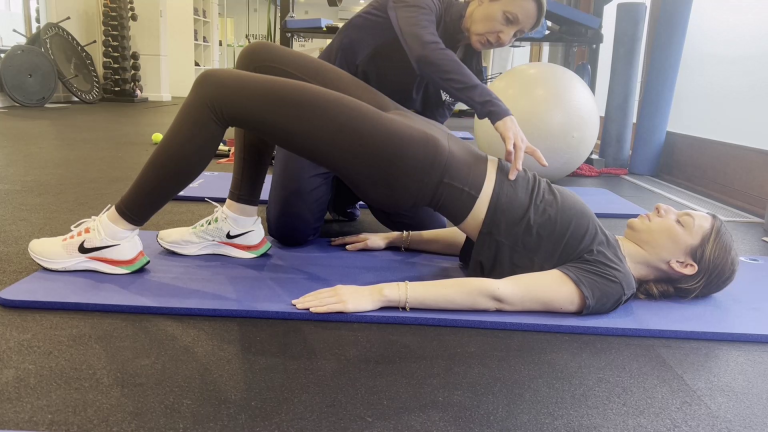
The small muscles within the foot play a vital role in supporting the arches, maintaining balance and providing stability during walking, running and sporting activity.
When these muscles become weak, the foot has to rely more heavily on passive structures such as ligaments and the plantar fascia, increasing the risk of pain and injury.
This exercise library is designed to strengthen the intrinsic foot muscles, improving foot control, stability and overall lower limb function.
Foot Anatomy – The Essentials

The foot is a complex structure made up of 26 bones, 33 joints and over 100 muscles, tendons and ligaments, all working together to support the body and absorb the forces generated during movement.
The intrinsic foot muscles are the small muscles that originate and insert within the foot itself. Although small, they play an important role in maintaining the arches of the foot, controlling toe movement and providing a stable base for standing, walking and running.
These muscles work alongside the larger muscles of the lower leg to help the foot adapt to different surfaces while remaining stable and efficient.
Why Foot Strength Matters
The intrinsic foot muscles act as the foot’s natural stabilisers.
Strong intrinsic muscles help support the arches, improve balance and control, and allow the foot to absorb and transfer forces more efficiently.
Weakness in these muscles can contribute to excessive foot movement, altered biomechanics and increased stress on the ankles, knees and hips.
Improving foot muscle strength can help to:
- Improve foot and arch stability
- Enhance balance and coordination
- Reduce stress on the plantar fascia and other supporting structures
- Improve walking and running mechanics
- Reduce the risk of recurrent lower limb injuries
The exercises focus on activation, coordination and endurance, helping these small muscles work more effectively during everyday activities and sport.
Conditions This Programme May Help
These exercises are commonly prescribed for:
- Plantar fasciitis
- Flat feet (where appropriate)
- Foot muscle weakness
- Running-related foot pain
- Overuse injuries of the foot and ankle – such as shin splints or tibialis posterior tendon dysfunction
- Balance deficits
- Rehabilitation following foot or ankle injury or surgery
They are also valuable for improving foot function and reducing injury risk in active individuals.
Who This Is For
Suitable for:
- Runners
- Walkers and hikers
- Court sport athletes
- Football and rugby players
- Individuals recovering from foot or ankle injury or surgery
- People with foot pain or reduced arch control
- Anyone looking to improve foot strength and balance
Activities That Rely on Strong Foot Muscles
Healthy intrinsic foot muscles are essential for:
- Walking
- Running
- Jumping and landing
- Balance activities
- Field and court sports
- Hiking on uneven terrain
- Gym-based exercise and strength training
These muscles provide the stable foundation that allows the rest of the lower limb to move efficiently.
How This Programme Works
The exercises gradually improve the function of the small stabilising muscles by focusing on:
- Activation – learning to engage the intrinsic foot muscles correctly
- Control – improving arch stability and foot positioning
- Endurance – increasing the muscles’ ability to provide support throughout daily activities and exercise
Although this programme contains only a small number of exercises, consistent practice can lead to significant improvements in foot strength, balance and movement quality.
Clinical Context
Intrinsic foot muscle training is an important part of modern rehabilitation for many foot and lower limb conditions.
At London Bridge Sports Medicine, these exercises are often combined with calf strengthening, ankle rehabilitation, gait assessment and, where appropriate, footwear advice to restore normal foot function, improve performance and reduce the risk of future injury.