Overview
Plantar fasciitis is one of the most common causes of heel pain, especially in people who walk or run regularly, stand for long periods, or have recently increased their activity levels. It involves irritation of the plantar fascia, a thick band of tissue that runs along the sole of the foot, connecting the heel to the base of the toes.
Plantar fasciitis can be frustrating and painful, particularly first thing in the morning or after periods of rest. While it often settles with the right treatment, early intervention can help prevent it becoming a long-term problem.
At London Bridge Sports Medicine (LBSM), we specialise in diagnosing and treating plantar fasciitis using a comprehensive, non-surgical approach.
Anatomy

The plantar fascia is a strong, fibrous band that runs along the underside of the foot. It helps support the arch of the foot and absorbs forces during walking and running. When this tissue is overloaded or overstretched, it can become irritated, leading to inflammation or degeneration at the point where it attaches to the heel bone (calcaneus).
Contrary to its name, plantar fasciitis is not always inflammatory in the long term; in many cases, it’s more of a degenerative problem, which is why some cases take longer to resolve.
Causes and Risk Factors
Plantar fasciitis can affect people of all ages and activity levels, but is especially common in:
- Runners and walkers
- People who stand or walk for prolonged periods at work
- Those with poor foot mechanics, such as flat feet or high arches
- Individuals with tight calf muscles or reduced ankle mobility
- People who are overweight or have recently increased activity levels
- Those who wear unsupportive footwear
It can also develop gradually with no obvious trigger, particularly in middle-aged individuals.
Symptoms

The main symptom of plantar fasciitis is a sharp or aching pain under the heel or along the sole of the foot. Typical features include:
- Pain that is worst in the morning or after sitting for a while (“first-step pain”)
- Discomfort that eases with movement but may return after prolonged standing or walking
- Tenderness at the inner part of the heel
- Pain during or after exercise, especially running or jumping
- A feeling of tightness or pulling in the arch of the foot
- Achilles tendon symptoms can often occur
Symptoms can range from mild to severe and may affect one or both feet.
Diagnosis and Assessment
At LBSM, we start with a detailed clinical assessment, including your medical history, activity levels, footwear, and any changes in training or routine. A physical examination will focus on:
- Pain location and severity
- Range of motion in the ankle and foot
- Foot posture and gait mechanics
- Muscle strength and flexibility
Diagnostic ultrasound may be used to confirm the diagnosis and assess the thickness or quality of the plantar fascia. This scan can be done during your appointment by one of our sports medicine doctors and helps guide treatment.
Occasionally, an X-ray or MRI may be recommended if symptoms are unusual or if other conditions such as a stress fracture or nerve irritation are suspected.
Treatment Options
We take a multidisciplinary approach to plantar fasciitis at LBSM, with the aim of reducing pain, restoring normal movement, and preventing recurrence – all without the need for surgery.
Physiotherapy
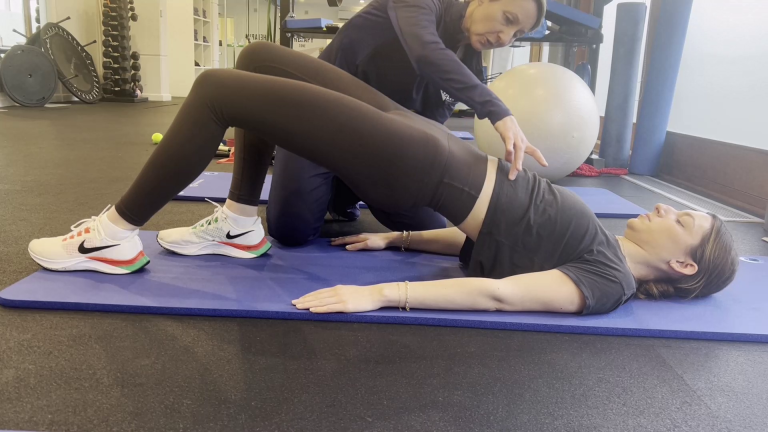
Physiotherapy is at the heart of treatment for plantar fasciitis. Your personalised rehab plan may include:
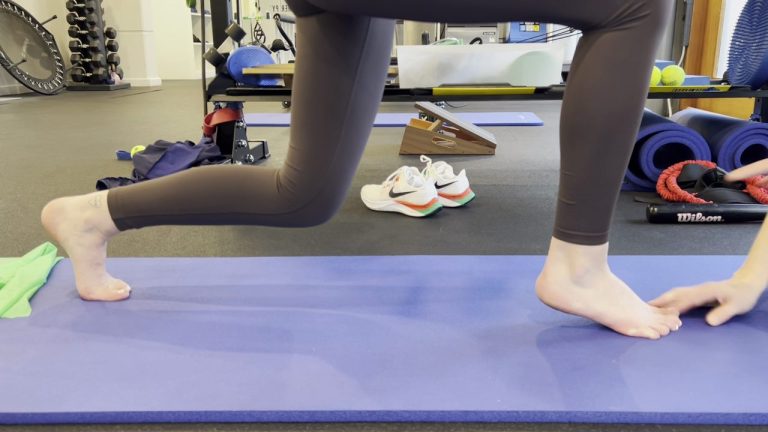
- Stretching exercises – particularly for the calf muscles and plantar fascia
- Strengthening exercises – for the foot and ankle muscles
- Manual therapy – to relieve stiffness and improve tissue mobility
- Taping techniques – to support the arch and reduce load on the fascia
- Progressive return to activity – based on your sport, work demands, and goals
Your Physio will also help identify and correct movement patterns that may be contributing to the problem.
At LBSM we work very closely with trusted physios to ensure you make the best recovery.
Exercises
Sports Podiatry
Poor foot biomechanics are a major factor in plantar fasciitis. Our sports podiatrist will assess your walking and running gait and may recommend:
- Custom orthotics (insoles) to offload pressure from the heel and support the arch
- Footwear advice – choosing the right shoes for your foot type and activity level
- Gait retraining – to reduce impact and loading forces through the foot
Footwear and foot function are key areas in both the treatment and prevention of plantar fasciitis.
Nutrition and Recovery Support
Tissue healing, inflammation control, and overall recovery are heavily influenced by nutrition. Our sports nutritionist can provide support with:
- Anti-inflammatory nutrition strategies
- Ensuring adequate protein and micronutrient intake to support tissue repair
- Addressing any issues related to energy availability or body composition
- Supporting recovery for those with long-term symptoms or metabolic conditions like diabetes
Nutrition can be a surprisingly powerful part of the recovery process, particularly when dealing with stubborn cases.
Sports Medicine Interventions
In some cases, where symptoms are persistent or more severe, additional interventions may be discussed with our sports medicine doctors. These could include:
- Shockwave therapy – a non-invasive treatment shown to stimulate tissue healing and reduce pain in chronic plantar fasciitis

- Ultrasound-guided corticosteroid injection – used selectively to reduce severe inflammation and pain, typically where other treatments have failed
- Platelet-rich plasma (PRP) therapy – an emerging option for chronic cases involving degenerative changes, aiming to boost natural healing
All interventions are guided by careful assessment, and are always combined with rehabilitation rather than used in isolation.
Outlook
Most people with plantar fasciitis respond well to conservative treatment, but recovery can take time, particularly if the condition has been present for several months. On average, with the right support and rehab, people begin to see improvement within 6-8 weeks, with full recovery taking from a few months to up to a year in some cases.
Our goal at London Bridge Sports Medicine is to get you moving confidently again and help you understand what caused the issue so you can avoid future flare-ups.
If you’re experiencing ongoing heel or foot pain, especially first thing in the morning, don’t wait for it to get worse! Our expert team at LBSM can help you get back on your feet, pain-free.