By Senior Physiotherapist Elinor East – Movement Perfected
Menopause marks a significant transition in a woman’s life, and while it can be a time of
empowerment and self-discovery, it also brings about numerous physiological changes.
As hormone levels shift, women experience a variety of symptoms, such as muscle loss, decreased bone density, changes in metabolism, and cognitive decline. But here’s the good news; resistance training – a form of exercise that involves working against some form of resistance – can play a crucial role in managing these changes and enhancing overall well-being.
Dr. Stacy Sims, a renowned expert in women’s health and performance, refers to resistance training as a “big rock” for long-term health benefits, and for good reason.
Here we take a look into why it’s particularly important for women during menopause.
1. Preservation and Building of Lean Muscle Mass

One of the most significant effects of menopause is the decline in oestrogen levels. Oestrogen is essential for maintaining muscle mass, and as its levels drop during perimenopause and menopause, women become more susceptible to sarcopenia – the age-related loss of muscle mass.
Not only does muscle mass contribute to physical strength and function, but it
also plays a vital role in metabolism and overall health.
Resistance training provides a critical stimulus to the muscles, encouraging the body to build and preserve lean muscle tissue.
This is essential for maintaining independence as women age, as well as supporting long-term physical health. In fact, muscle mass is linked to a higher metabolic rate, which can be helpful in managing weight gain that often occurs during menopause.
2. Improvement and Maintenance of Bone Density
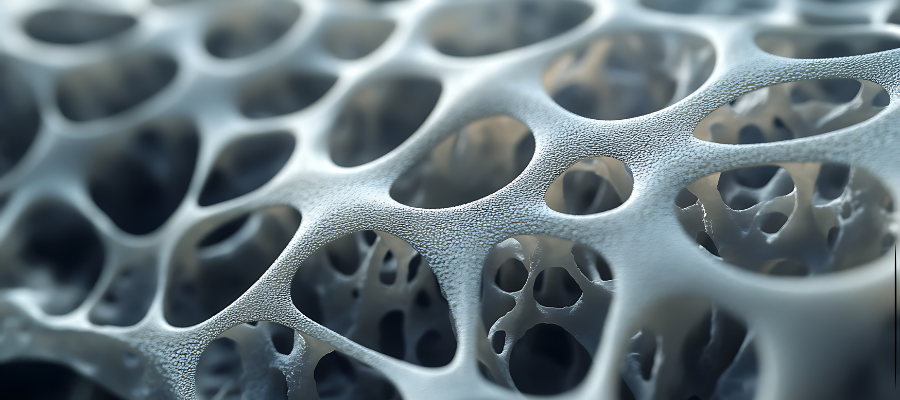
Another major concern during menopause is the loss of bone density, which increases the risk of osteopenia and osteoporosis. This decline in bone mass can lead to fractures, loss of mobility, and a reduced quality of life.
But there’s good news – resistance training can help! When you engage in resistance exercises, particularly those that incorporate impact (like plyometrics or weight-bearing exercises), you provide mechanical loading to your bones.
This stimulation prompts the body to build new bone tissue and maintain bone mineral density. This process is crucial for reducing the risk of fractures and helping you stay active and independent well into later life.
3. Enhancement of Neurological Function
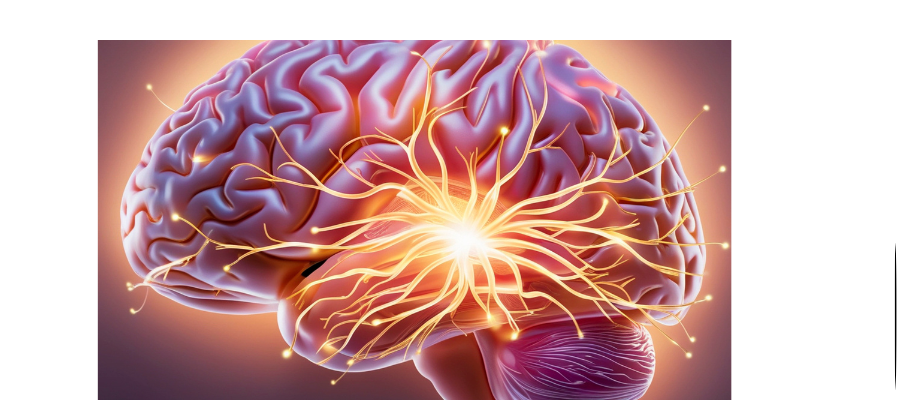
Resistance training doesn’t just benefit the muscles and bones, it also supports brain
health. Regular strength training contributes to neuroplasticity, which is the brain’s ability to adapt and form new neural connections.
This is particularly important as women age, as it helps improve balance, agility, and proprioception; all of which are critical for preventing falls and maintaining functional independence.
Moreover, strength training can lower the risk of cognitive decline and conditions such as Alzheimer’s disease. By maintaining fast-twitch muscle fibres, resistance exercises also provide the brain with lactate, which is an important energy source for cognitive function.
So, lifting weights can literally help you keep your mind sharp!
4. Improved Metabolic Health
Many women experience changes in metabolism during menopause, including increased insulin resistance and the tendency to store more visceral fat. Visceral fat, which accumulates around internal organs, is particularly dangerous as it’s linked to an increased risk of heart disease and type 2 diabetes.
Resistance training helps combat these metabolic changes by increasing muscle mass,
which acts as a “glucose sink,” improving your body’s ability to manage blood sugar. In
addition, strengthening the muscles improves the communication between skeletal muscle and the liver, allowing the body to better utilize free fatty acids and reduce fat storage.
5. Positive Impact on Gut Health

In recent years, researchers have discovered an intriguing link between muscle health and gut health. Maintaining muscle mass through resistance training can have a positive impact on the diversity of your gut microbiome, which is essential for overall health, immune function, and hormone metabolism.
During menopause, hormonal changes can disrupt the balance of the gut microbiome,
potentially leading to digestive issues and other health problems. Resistance training can help mitigate these disruptions and support a healthier gut, further promoting wellness during this transitional period.
6. Counteracting Hormonal Decline
As mentioned earlier, menopause brings a decline in oestrogen, which affects many aspects of health, from muscle maintenance to metabolism. The good news is that resistance training acts as a form of external stress that encourages the body to adapt, somewhat compensating for the hormonal shifts. By providing this physical stimulus, women can continue to promote muscle growth, bone health, and metabolic function, despite the hormonal changes occurring in their bodies.
In Conclusion
Resistance training is not just a fitness trend; it’s a powerful tool for promoting longevity
and quality of life, especially for women navigating menopause. From preserving muscle mass to enhancing bone density, supporting brain health, improving metabolism, and fostering gut health, resistance training offers a holistic approach to staying strong, healthy, and independent during this life stage.