Picture the scene. It’s the closing stages of a tense World Cup knockout match. Players who have spent the last 110 minutes sprinting, tackling and chasing every ball suddenly pull up, clutching their calves, hamstrings or feet.
Some collapse to the turf. Others desperately try to stretch out a muscle that seems to have developed a mind of its own.
We’ve all seen it happen.
And if you play football yourself, whether that’s in a league, five-a-side after work, or a weekly kickabout with friends, you may have experienced it too. One minute you’re chasing down a through ball, the next your calf feels like it’s tied itself into a knot.
But why does cramp happen? Is it really just dehydration? And if elite athletes with access to the best coaches, nutritionists and sports scientists in the world still get cramp, what hope is there for the rest of us?
Let’s take a closer look.
What Actually Is Cramp?
Cramp is a sudden, involuntary and often painful contraction of a muscle.
Unlike a normal muscle contraction that your brain controls, cramp occurs when the muscle continues to contract without your permission.
The most commonly affected muscles in football are:
- Calves
- Hamstrings
- Quadriceps (thighs)
- Feet
When cramp strikes, the muscle can become visibly tight and hard. It may last for a few seconds or several minutes, and the discomfort can range from mildly annoying to genuinely debilitating.
The good news is that cramp itself is usually harmless. The bad news is that it often arrives at exactly the wrong moment.
Is Cramp Really Caused by Dehydration?
For years, dehydration was blamed as the main cause of cramp.
There is some truth to this. If you lose large amounts of fluid through sweating and don’t replace it, your muscles may be more likely to malfunction.
Similarly, losing electrolytes such as sodium can contribute to muscle dysfunction.
However, research over the last two decades suggests the story is much more complicated.
Many athletes who cramp are actually well hydrated. Equally, many people become dehydrated without ever experiencing cramp.
So, while dehydration can be a contributing factor, it is rarely the whole explanation.
If you’ve ever cramped during a winter football match in the pouring rain, you’ll know that fluid loss alone doesn’t explain everything.
Muscle Fatigue – The Real Culprit?
The strongest evidence suggests that muscle fatigue plays a major role.
As muscles become tired, the communication between your nervous system and muscles becomes less efficient. The normal balance between signals telling a muscle to contract and signals telling it to relax begins to break down.
Think of it as a temporary wiring problem.
When this happens, the muscle becomes overexcited and more likely to go into an uncontrolled contraction.
This is why cramp often occurs:
- Towards the end of a match
- During extra time
- Following repeated sprints
- When players are working at an intensity that they’re not fully conditioned for
In other words, cramp is often a sign that a muscle is reaching its physiological limits.
So Why Do Elite Footballers Still Cramp?
It’s a fair question.
Professional footballers are incredibly fit. They train almost every day, have personalised nutrition plans and recover using the latest sports science techniques.
Yet we still see them cramping during major tournaments.
Muscle memory and repeated “predictable” cramping patterns
Elite football places extraordinary demands on the body.
Players may cover over 10 kilometres during a match, perform dozens of high-speed sprints and repeatedly change direction under fatigue. Add in tournament schedules, travel, heat, pressure and extra time, and even the fittest athletes can reach a point where their muscles start to struggle.
The timing and response of muscles during high-speed sport is incredibly intricate. Every sprint, deceleration and change of direction involves thousands of finely tuned signals between the brain, spinal cord and muscle fibres, all firing within milliseconds.
When fatigue sets in, this neuromuscular system becomes disrupted. This can often happen at a very specific time, over and over again – the 85th minute of the game, and a player repeatedly falls to the ground with cramp!
Can cramp patterns be retrained?
Yes!
The good news is that the neuromuscular system is highly sensitive and very importantly, this patterning is trainable over time.
While cramp can feel frustratingly automatic, the underlying neuromuscular system is adaptable. With the right training, muscles can become more fatigue-resistant and the nervous system can improve its ability to regulate muscle contraction and relaxation more efficiently.
By repeatedly exposing the body to controlled, progressive loading, rather than sudden spikes in intensity, the threshold at which fatigue and neuromuscular overload occur can be shifted.
In simple terms, the muscle learns to cope better before it reaches the point of cramping.
The lesson for recreational players?
Cramp isn’t necessarily a sign that you’re unfit or doing something wrong. Sometimes it’s simply the body’s way of telling you that you’ve exceeded what your muscles were prepared for.
What Should You Do If Cramp Strikes?
If you’re unfortunate enough to experience cramp during a match, there are a few things that may help.
Stop and Stretch
Gentle stretching of the affected muscle is usually the quickest way to reduce symptoms.
For example:
Calf cramp
Hamstring cramp
Quadriceps cramp
Avoid aggressive stretching, which can sometimes worsen discomfort.
Keep Moving
Once the cramp eases, gentle walking can help restore normal muscle function.
Replace Fluids
If you’ve been sweating heavily, you should take on fluids and electrolytes, to replace what’s been lost.
Don’t Ignore Persistent Symptoms
If cramp keeps recurring, or if muscle tightness lingers for days afterwards, it may indicate an underlying issue with strength, conditioning or recovery that warrants further assessment. Get it checked out!
What Can Be Done To Prevent Cramps
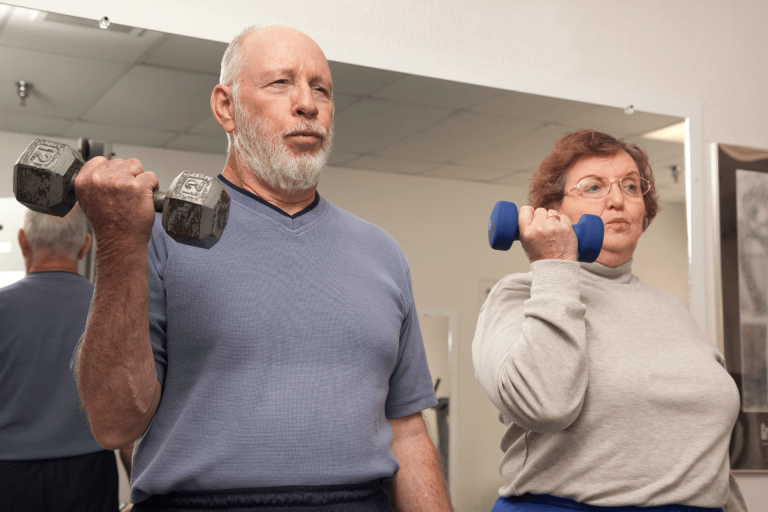
Strength training is the key driver of change
Of all the interventions available, structured strength training is by far the most effective way to reduce recurrent cramp and improve muscular resilience.
Strength training improves:
- Motor unit recruitment (how effectively muscles are activated)
- Fatigue resistance during repeated high-intensity efforts
- Tendon and muscle capacity to tolerate load
- Coordination between agonist and antagonist muscle groups
For footballers, this is particularly important in the calves, hamstrings and quadriceps – muscle groups that are repeatedly pushed to their limits during sprinting and deceleration.
A stronger muscle is not just a more powerful one; it is also a more efficient and fatigue-resistant system, making it less likely to “misfire” under pressure.
In practice, this is why players who consistently engage in in-season and pre-season strength programmes tend to experience fewer episodes of exercise-associated cramp, and can power through for the whole match
Particularly important areas for footballers include:
- Calves
- Hamstrings
- Glutes
- Quadriceps
Strength training doesn’t just reduce cramps; it can also reduce lower leg injury risk.
While there are plenty of strength training programmes available online, it is always sensible to get a personalised programme from a personal trainer or strength and conditioning coach.
Muscle stimulation / neuromuscular retraining
In some cases, additional tools such as neuromuscular electrical stimulation (NMES) may be used as part of a broader rehabilitation or conditioning strategy.
These devices deliver small electrical impulses to the muscle to encourage activation, particularly when normal recruitment patterns are inhibited by pain, fatigue or deconditioning.
While NMES is not a standalone solution for cramp, it can support:
- Muscle activation in underperforming muscle groups
- Early-stage rehabilitation following injury
- Re-education of neuromuscular firing patterns
When combined with progressive strength training and movement retraining, it can help reinforce more efficient muscle activation strategies and support the overall “retraining” process of the neuromuscular system.
The Role of Sports Nutrition
While cramp is not solely caused by dehydration or electrolyte loss, good sports nutrition can play an important role in reducing injury risk and optimising performance.
Hydrate Sensibly
You don’t need to obsess over hydration, but starting a game already dehydrated is rarely a good idea.
Aim to drink regularly throughout the day and consider electrolyte replacement – particularly sodium – during and after prolonged activity or hot weather.
Fuelling Adequately
Equally important is consuming sufficient carbohydrate to fuel working muscles and delay fatigue, which is one of the major contributors to cramp.
For individuals who experience recurrent cramping, a personalised assessment from a sports nutritionist can help identify any nutritional factors that may be contributing to symptoms and support a more effective fuelling and hydration strategy.
Recover Properly
Sleep, nutrition and recovery all influence muscle function.
Many recreational athletes underestimate the impact of poor sleep on sporting performance.
Build Up Gradually
One of the most common scenarios we see is the player who hasn’t exercised much for weeks before suddenly playing an intense 90-minute match.
Your enthusiasm may be ready for the game, but your muscles may not be.
What Can Weekend Footballers Learn from the World Cup?
The biggest takeaway is that cramp is rarely caused by one single factor.
It’s usually a combination of fatigue, conditioning, hydration, recovery and match intensity.
The professional players you watch on television may have access to world-class support, but they still face the same biological limitations as the rest of us.
Your muscles can only work so hard for so long before they start protesting.
If you’re regularly struggling with cramp, recurring muscle injuries, or finding that fatigue is limiting your performance, it may be worth seeking professional advice.
At London Bridge Sports Medicine, our team of sport and exercise medicine physicians Podiatrist, sports nutritionist and rehab specialists, work with everyone from elite athletes to recreational footballers.
Whether you’re dealing with recurrent calf cramp, hamstring issues, muscle injuries or simply want guidance on improving your performance and reducing injury risk, we can help identify the factors contributing to your symptoms and develop a personalised plan to keep you active.