It’s that time of year again where we all take a well-deserved rest and perhaps go on a winter holiday to unwind. A popular choice for many is to go away somewhere to participate in some snow sports. However, it is important to bear in mind how the different the snowy conditions are in comparison to other sports that you may take part in at home. Therefore, you need to make sure you prepare appropriately in order to minimise the risk of injury. Believe it or not, most common injuries in winter and snow sports could have been prevented with planning. See below for some things to think about before you set off.
Tackling the cold
It is expected when traveling to high altitude environments that the weather is going to be absolutely freezing. The mountain peaks provide optimal conditions for wind making it feel even colder than it is. The cold conditions, as you can imagine, can lead to significant heat loss. When our bodies get cold it very cleverly sends a message for your muscles to shiver to try and warm up, but this can leave to low blood sugar levels which in turn can have an effect on your sporting performance. It is important to take breaks not just to rest but to eat!
Also, occasionally when you get too cold your core body temperature can drop below 35°C, when your body temperature drops this low it is called hypothermia. Therefore, it important to have the correct outwear, which is breathable but warm.
Finally, another reason to make sure you wrap up properly for the cold is so you don’t want to get frostbite. Frostbite happens when the tissues in your skin freeze. The freezing makes ice crystals in and around your skin cells which then create a barrier to blood moving through the fine blood vessels. This then means that the skins is deprived of nutrients and oxygen and dies. Again, something that you could easily get if you don’t have the correct winter wear, such as good quality boots and gloves.
Slippery conditions
It may seem obvious, but it’s really easy to slip and fall over when doing snow sports. Your knees are particularly vulnerable to injury when falling. Ligament injuries in the knee are common injury, particularly damaging the anterior cruciate ligament (ACL). As well as this when falling sometimes people use their arms to break a fall, this can result in wrist and shoulder injuries. These sorts of injuries such as sprains, strains and even dislocations which can be more severe in the cold conditions. This is because when your muscles are cold the tissues have less elasticity which unfortunately, makes them much more prone to injury. Also, it is not uncommon for people to bump their heads when they slip over which can result in concussion. Therefore, to prevent this make sure you have the correct equipment such as helmets and thick ski jackets help to protect your vital organs.
Sunburn in the snow
Ironically sunburn to the skin and eyes are very common in the moutains. This mainly due to the large amount of glare and reflection from the snow. The high altitude (especially above 2000m) provides addition risk as the atmosphere is thinner with less cloudy cover, both of which usually provide protection for us particularly against UVB light.
As well as bouncing onto your skin UVB will also reflect into your eyes which can sometimes cause temporary or even permanment blindness. Sometimes too much exposure time in the mountains can cause significant damage to our skin and eye cells. So with your suncream make sure you bring some sunglasses or goggles. Make sure they have 95 – 100% UV protection. This will protect your eyes from not only the sun but also act as barrier to anything that may poke you in the eye.
Physical challenges
Winter sports are particularly demanding on the body for a variety of reasons highlighted below.
- Altitude. Winter sports usually take place at a higher altitude, meaning less oxygen is available and our body’s cardiovascular system has to work much harder to keep us going. It is very common to get short of breath and fatigued much more quickly.
- Gear. Its usually very cold so we wear much more gear than we are used to! This increases our body weight and makes moving and working out harder!
- Physical conditions. Battling the elements and uneven terrain, whilst trying to stay upright on skis/snowboard can be very demanding. Anyone who has tried to walk through deep snow knows how exhausting even a few steps can be!
Preparation
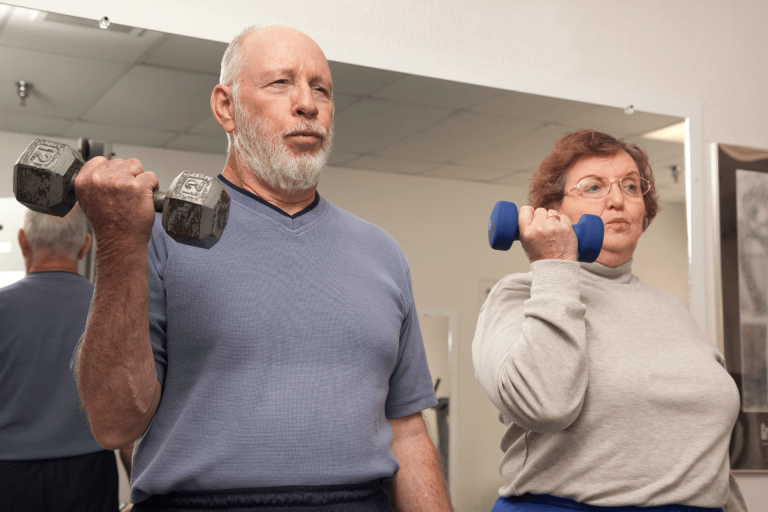
Given the above challenges there is lots we can do to prepare for our trip. Working on strength, coordination and balance is esstential. Training with additional weight e.g. weighted backpack can also simulate conditions on the snow. With an enhanced physical fitness you will be able to spend a longer time out doing snow sports before getting too tired. When out there, it is important to stop when you do become tired as this is when you are most likely to have an accident. Remember to refuel and rest appropriately.
Summary
To summarise, your best bet in preventing injury is to prepare adequately for your trip. Make sure you have the correct protective equipment as well as making sure you feel fit enough and know your limits. Don’t push yourself too hard, at the end of the day you’re on holiday to enjoy yourself and relax you don’t want to be coming home with an unwanted injury because you had to try the hardest route before you leave.
Thank you for reading! Any questions please do get in touch with us to discuss. Happy holidays and safe ski/boarding!