- What are peripheral nerves?
- What the causes of peripheral nerve injury (PNI)?
- How do peripheral nerves become trapped?
- What are the symptoms of peripheral nerve injury?
- How do we diagnose peripheral nerve injuries (PNIs)?
- How do we treat PNIs?
- The role of rehabilitation and therapy in the treatment of PNIs
What are peripheral nerves?
THE NERVOUS SYSTEM BROADLY CONSISTS OF 2 TYPES OF NERVES.
- Central Nervous System. These are nerves that are in the brain itself or the spinal cord. Any injury or illness to the brain and spinal cord is labelled as a central nervous system injury. This may occur through trauma, or medical causes such as stroke or multiple sclerosis. Central nervous system injuries often have complex medical requirements and present very differently to peripheral nervous system injuries.
- Peripheral Nervous System. As soon as nerves leave the spinal cord, they are termed peripheral nerves. There are 3 types of peripheral nerves.
- Sensory nerves: These nerves receive sensory stimuli from the skin and communicate information back to the spinal cord, which in turn passes the information on to the brain (via the central nervous system).
- Motor nerves: Motor nerves take signals that produce movement, from the brain and spinal cord to the muscles, stimulating them to contract.
- Autonomic nerves: These nerves control involuntary body functions such as heart rate, blood pressure and gut motility.
IT IS IMPORTANT NOT TO CONFUSE CENTRAL AND PERIPHERAL NERVE INJURIES. THEY HAVE DIFFERENT CAUSES, TREATMENTS AND REHABILITATION STRATEGIES.

What the causes of peripheral nerve injury (PNI)?
Peripheral Nerves can become injured in several ways.
- ENTRAPMENT. Nerves that have been trapped or compressed for too long can become injured. It is therefore important to release trapped nerves that are injured, so they can heal and regenerate.
- INFLAMMATION. Like any tissue in the body, nerves can become inflamed and therefore damaged. Individual nerves (or neurons) have a lining, or sheath (called myelin sheath) around them which also can get very inflamed and cause persistent pain. It is important to reduce myelin sheath and nerve inflammation as quickly as possible to allow the nerve to heal.
- SEVERING. Depending on whether a nerve is partial or fully cut, signal transmission is disrupted. This can lead to a variety of symptoms of varying degrees.
- TRACTION. When a nerve is pulled or tugged forcefully, its ability to fire is compromised. This may occur from falls or direct blows into parts of the body where the nerves run.
- METABOLIC IMBALANCE. Metabolic disturbances such as diabetes, thyroid disease and an abnormal lipid profile can cause injury to nerves, with the severity of the injury depending on the degree of imbalance.
- VITAMIN AND MINERAL DEFICIENCIES. If left untreated, deficiencies in Vitamin B1, B12, along with Magnesium and Calcium can cause nerve disturbance.
- DRUGS, Toxins and Medications. Some substances and medications can cause temporary or even permanent nerve damage. It is important to check your medication with your doctor for any potential side effects.

All the forms of nerve injury described above can change the firing pattern of nerves, increasing pain and producing weakness. However, nerve entrapments make up the vast majority of PNIs. We will discuss Peripheral Nerve Entrapment in more detail.
“NO MATTER THE MECHANISM OR SEVERITY OF INJURY, WITH THE RIGHT REHABILITATION AND TREATMENT, PNIs HAVE A REMARKABLE ABILITY TO REGENERATE AND RECOVER”
How do peripheral nerves become trapped?
Peripheral Nerves can become trapped anywhere from the point they leave the spinal cord, to the point they reach muscle and skin. Common mechanisms for nerve entrapment are summarised in the table below.
| CAUSE OF PERIPHERAL NERVE ENTRAPMENT | EXAMPLES |
| Prolonged compression on a nerve | Sleeping on arm (dead arm) Sitting down too long Tight clothing and footwear |
| Masses compressing on a nerve | Spinal Disc herniation (aka disc bulge) Cysts Tumours Fluid collections (e.g., haematoma) |
| As the nerve passes through other structures | Internal organ Foramen (bone tunnels) Soft tissue tunnels (e.g., carpal, cubital, tarsal) |
| As the nerve passes through muscle groups | Core and trunk Head and neck Pelvic floor Upper and lower limb |
| As the nerve passes around a structure | Joints Bone |
What are the symptoms of peripheral nerve injury?
Given their passage, peripheral nerves can become injured anywhere from the spinal cord to the more peripheral parts of the body (muscles and skin). Sensory and motor nerves are much more likely to get injured along their course than autonomic nerves (which tend to supply internal organs like the heart, gut). Sensory and motor nerve injury can in turn lead to sensory and motor symptoms.
- SENSORY SYMPTOMS. Peripheral nerves that transmit information about sensations (such as touch and feel) follow set patterns of distribution, called Dermatomes. Depending on which part of the spinal cord the nerve exits, dermatomes can be divided into segments, cervical, thoracic, lumbar and sacral. Within each segment there are different numbered levels (see diagram). It is therefore sometimes possible to predict which nerves have been injured by where sensory symptoms are felt. Sensory symptoms may include.
- Pain. Pain symptoms can range from sharp to dull, persistent to intermittent, and remain in one location or radiate to other parts of the body.
- Numbness. This may present as a partial or complete loss of feeling or touch sensation.
- Paraesthesia. This essentially means “pins and needles” and can be associated with numbness.
- Loss of Proprioception. As well as sensations, sensory nerves also contain information around body part movements and balance. For example, injury to certain nerves in the leg and make the ankle feel less stable.
- MOTOR SYMPTOMS. Peripheral nerves that transmit motor (or movement) information also travel in set patterns of distribution, called Myotomes. Myotomes, closely correlate with dermatomes. It is therefore also possible to determine which nerve (or nerves) have been injured depending on where symptoms are located. Motor symptoms may include:
- Weakness. The most common motor sign is a reduction in power of a single or group of muscles. With acute PNIs (e.g., nerve trauma), weakness can come on quite quickly. With more chronic nerve injuries (e.g., slow nerve entrapment or compressions), weakness may be very subtle and take weeks or months to become apparent.
- Muscle wasting. The muscles that are supplied by an injured nerve may become smaller in size or completely wasted over time. Examples of this may include reduced calf muscle bulk in sciatica or hand muscle wasting carpal tunnel. Wasted muscles are usually lacking in strength and power but usually can be rebuilt.
- Hypotonia. The tone (ability to contract) of a muscle can also be affected with motor nerve injury. This may leave muscles flaccid, floppy and unable to produce forceful contraction.
- Slow reflexes. Motor nerves are also responsible for giving muscles and tendons their reflex responses. Reflexes can become slower and more sluggish after nerve injury. This can be tested in clinic with a tendon hammer.

How do we diagnose peripheral nerve injuries (PNIs)?
Most PNIs are diagnosed clinically, after discussing your symptoms and examining thoroughly to look and test for the signs mentioned above. There are different ways of further investigating PNIs. They can be divided into investigations that (1) look at the nerve and its surrounding structures (2) test the conduction and speed of the nerves. Both these investigations may help to confirm the diagnosis and plan the rehabilitation.
- Investigations that visualise the nerve and its surrounding structures mainly include MRI and ultrasound scans. These can identify anything that may be compressing the nerve or surrounding inflammation. It may be possible to tell if the injured nerve is thickened or swollen.
- Investigations that test how well a nerve is conducting include Nerve Conduction and EMG studies.
How do we treat PNIs?
The first step to treating a PNI is to rectify the cause the injury, thus restoring normal function to the nerve. The table below describes some treatment options.
| NERVE INJURY MECHANISM | TREATMENT RATIONAL |
| Nerve Entrapment | Rectifying the cause of entrapment through rehabilitation, injection therapy or surgery |
| Nerve Inflammation | Reducing inflammation around the nerve through natural healing, anti-inflammatory medication, injection or surgery |
| Severing injury | Allowing the ends of the severed nerve to heal naturally or through surgery |
| Traction injury | Efforts should be made to ensure a further traction injury does not happen |
| Metabolic imbalance | Correcting metabolic disturbances through diet, exercise and medication/supplementation if necessary |
| Vitamin and Mineral Deficiencies | Correcting vitamin and mineral deficiencies through diet, exercise and medication/supplementation if necessary |
| Drugs, Toxins and Medications | Removing any harmful substances that may be contributing to PNI |
The role of rehabilitation and therapy in the treatment of PNIs
“REHABILITATION AND THERAPY SIGNIFICANTLY INCREASE THE CHANCE OF RECOVERY AFTER A PNI, WHATEVER THE CAUSE”
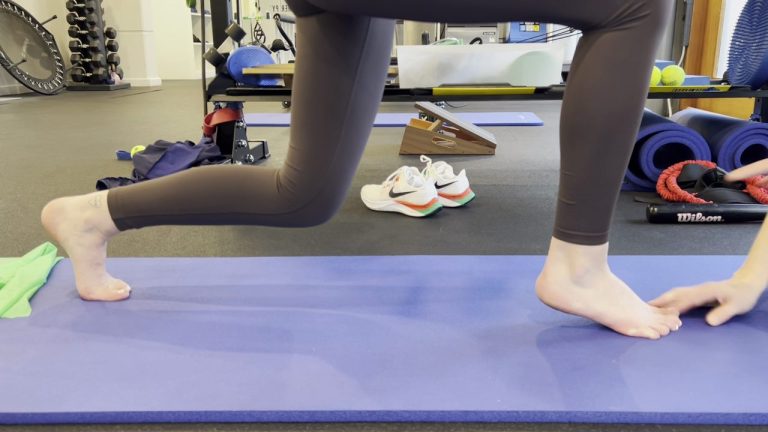
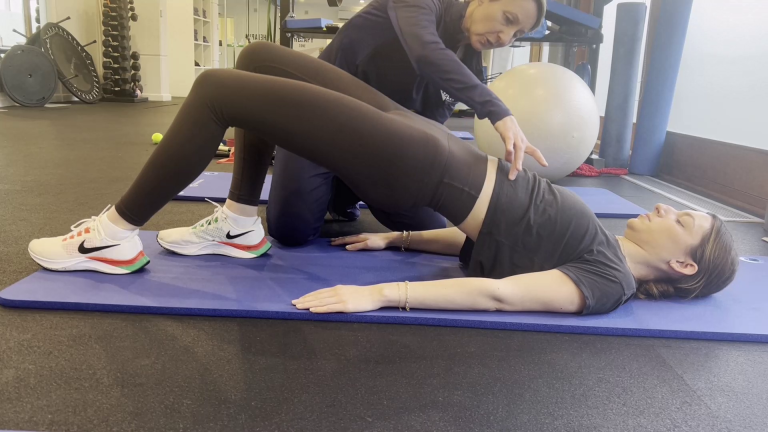
A comprehensive and well considered rehabilitation programme is key when treating PNI. Rehabilitation can be targeted to improve sensory and/or motor symptoms. Therapy and exercise can also significantly improve nerve entrapment, by lengthening the nerve and releasing structures (e.g., muscle tension, disc herniations, joints). Different forms of therapy for PNI may include:
- Physiotherapy
- Strength and conditioning
- Hydrotherapy
- Muscle stimulators and tens (transcutaneous electric nerve stimulation)
- Desensitisation programmes
IT IS IMPORTANT TO DISCUSS ANY POTENTIAL SIGNS AND SYMPTOMS OF PERIPHERAL NERVE INJURY WITH YOUR DOCTOR TO GET A CLEAR DIAGNOSIS AND TREATMENT PLAN.