A pars stress fracture is a common cause of persistent lower back pain in active people, particularly young athletes.
At London Bridge Sports Medicine, our sports medicine doctors, physiotherapists, podiatrists and sports nutrition specialists work together to provide a holistic, evidence-based approach to diagnosis, rehabilitation and long-term recovery.
What is a Pars Stress Fracture?

The pars interarticularis is a small section of bone that connects joints at the back of the spine and plays an important role in spinal stability.
A pars stress fracture, also known as spondylolysis, develops when repeated loading causes tiny cracks in this bone. Without adequate rest and recovery, these cracks can progress into a complete fracture.
The injury most often affects the lower lumbar spine, particularly at the L4–L5 level.
Who Gets Pars Stress Fractures?
Pars stress fractures are particularly common in:
- Adolescent and young adult athletes
- Sports involving repetitive spinal extension and rotation, including:
- Cricket fast bowlers
- Gymnasts and dancers
- Tennis players
- Rowers
- Footballers and rugby players
- People with rapid increases in training load
- Athletes with poor spinal control, limited hip mobility, or altered biomechanics
Why Do They Occur?
Generally, high training loads without adequate recovery is what causes this condition.
Rapid increases in training load, poor spinal control, limited hip mobility and altered biomechanics can all increase risk, as can muscle imbalances and poor technique; these factors all further increase the strain placed on this area of the spine.
Over time, this cumulative stress weakens the bone until it cracks.
The pars region is vulnerable to fatigue when exposed to:
- Repetitive back bending (extension)
- Twisting movements
- Poor technique or excessive training volumes
- Muscle imbalances or reduced core control
- Inadequate recovery time between sessions
Symptoms of a Pars fracture
Symptoms can vary between patients, but these are some of the more common symptoms:
- Localised lower back pain, often on one side
- Pain that worsens with:
- Backward bending
- Running, bowling, jumping or twisting
- Stiffness in the lower back
- Reduced sporting performance
- Pain may ease with rest but quickly returns with activity
As the condition progresses, discomfort may become more constant and begin to affect daily activities.
Aggravating and Easing Factors
Aggravating factors:
- Sport-specific movements (bowling, jumping, sprinting)
- Back extension and rotation
- Prolonged standing or training volume spikes
Easing factors:
- Rest from aggravating activity
- Forward bending or sitting
- Lying down
How do we Diagnosis a Pars Fracture?
Clinical Assessment
Your LBSM clinician will start with a detailed clinical assessment, examining spinal movement patterns, core control, hip mobility and local tenderness, as well as reviewing past medical history, training history and recent changes in load.
Clinical examination will include:
- Spinal movement patterns
- Local tenderness over the pars region
- Assessing core stability and hip mobility
Imaging
Imaging is often required to confirm the diagnosis:
- MRI scan – identifies early stress reactions before a fracture fully develops
- CT scan – used to visualise established fractures and assess healing
- X-rays – are sometimes used but can miss early stress injuries
Treatment – A Rehabilitation Focused Approach
Most pars stress fractures heal successfully with conservative management, and surgery is rarely needed. Initial treatment involves modifying activity to avoid painful movements, followed by a structured return-to-sport programme.
Activity Modification
- Temporary reduction or cessation of painful activities for 6-8 weeks
- Gradual return to sport following a structured, monitored programme
Physiotherapy Rehabilitation
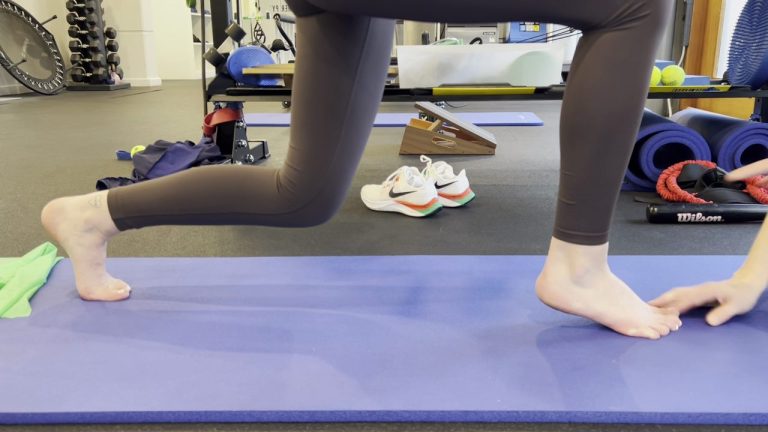
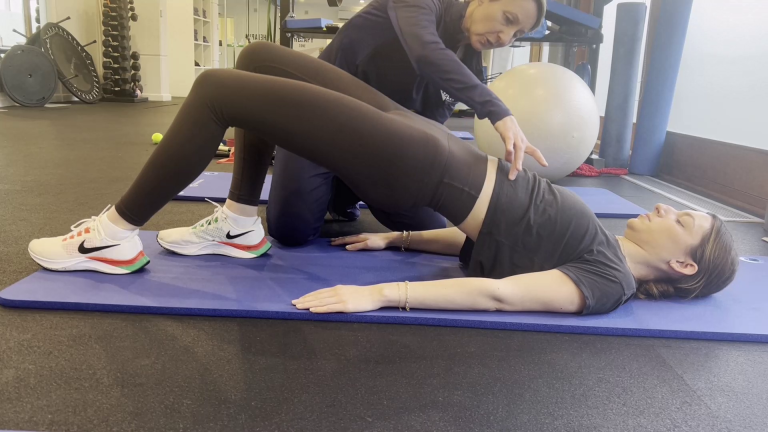
Your physiotherapist will focus on:
- Restoring core stability and spinal control
- Improving hip and thoracic mobility
- Correcting technique and movement patterns
- Progressive loading and strengthening programmes to safely rebuild muscle and stamina.
Injection Therapy
Injection therapy is not usually required for bone healing, but in selected cases spinal injections may be used to:
- Manage associated facet joint or nerve irritation
- Settle persistent pain preventing rehabilitation progress
Any injection is used only as a support to rehabilitation, never as a standalone treatment.
The Role of Podiatry
Lower limb biomechanics has a significant influence on spinal loading and how forces are transferred through the spine.
If you require podiatry input, you will be referred to our LBSM podiatrist.
Our podiatrist will assess:
- Foot posture and gait mechanics
- Limb alignment and shock absorption
- Footwear suitability
Custom orthotics may be prescribed to reduce abnormal forces transmitted to the spine and support long-term injury prevention.
Your podiatrist will also work closely with your Physiotherapist to work on technique and muscle imbalances that might be contributing to the problem.
Sports Nutrition – Healing From the Inside Out
Bone healing and injury prevention rely heavily on nutrition.
Our sports nutrition specialist can support your recovery by optimising:
- Calcium and Vitamin D intake for bone strength
- Adequate protein to support tissue repair
- Energy availability to prevent bone stress injuries
- Education around fuelling for training load and growth in young athletes
Optimising fuelling strategies is also key in preventing future stress injuries, particularly in young athletes with high training loads.
At LBSM we have a dedicated sports nutritionist who you can be referred to, should you need nutritional support, to review your nutrition and diet.
Medication
In very select cases medications like bisphosphonates and parathyroid hormone (PTH) analogues (e.g., teriparatide) are used in sports medicine as an adjunct to help to accelerate bone healing, particularly in cases of delayed union, non-union, or severe stress fractures in athletes.
Bisphosphonates help to prevent bone breakdown, and PTH promotes bone formation, helping enhance bone strength and reduce recovery time.
When Should I Seek Help
If lower back pain persists beyond two weeks, or is affecting performance, early assessment is key.
Timely diagnosis allows for early intervention and significantly improves your recovery time. If left untreated, it can result in much more serious symptoms, which may then require surgical input.
Expert Care at London Bridge Sports Medicine
At LBSM, pars stress fractures are managed by a multidisciplinary team of sports medicine doctors, physiotherapists, podiatrists and sports nutritionists, all working together to provide personalised, holistic care and a safe return to sport.