- Key facts about the menopause
- Common symptoms of menopause and perimenopause
- Menopause & the Musculoskeletal System
- Protecting bone and joint health during menopause
Key facts about the menopause
- Menopause is when your periods stop due to lower hormone levels (oestrogen and progesterone). It usually affects women between the ages of 45 and 55, but it can happen earlier.
- It affects anyone who has periods.
- Menopause can happen naturally, or for reasons such as surgery to remove the ovaries (oophorectomy) or the uterus (hysterectomy), cancer treatments like chemotherapy, or a genetic reason. Sometimes the reason is unknown.
- Perimenopause is when you have symptoms of menopause but your periods have not stopped. Perimenopause ends and you reach menopause when you have not had a period for 12 months.
- Menopause and perimenopause can cause symptoms like joint pain, anxiety, mood swings, brain fog, hot flushes and irregular periods. These symptoms can start years before your periods stop and carry on afterwards.
- Menopause and perimenopause symptoms can have a big impact on your life, including relationships and work.
- There are things you can do to help with symptoms. There are also medicines that can replace the missing hormones and help relieve your symptoms.
Common symptoms of menopause and perimenopause
Menopause and perimenopause symptoms can have a big impact on your daily life, including relationships, social life, family life and work.
It can feel different for everyone. You may have a number of symptoms or none.
Symptoms usually start months or years before your periods stop. This is called the perimenopause.
The first sign of perimenopause is usually, but not always, a change in the normal pattern of your periods, for example, they become irregular. Eventually, you’ll stop having periods altogether.
Musculoskeletal symptoms are very common in the menopause and perimenopause time. These include:
- Generalised joint ache and pain
- Backache and pain
- Inflammation in joints
- Stiffness in joints
- Osteoporosis and Osteopenia (thin bones)
- Stress injury and fracture
- Nerve related conditions such as sciatica
Other common non-musculoskeletal symptoms include:
- Hot flushes, when you have sudden feelings of hot or cold in your face, neck and chest which can make you dizzy
- Difficulty sleeping, which may be a result of night sweats and make you feel tired and irritable during the day
- Palpitations, when your heartbeats suddenly become more noticeable
- Headaches and migraines that are worse than usual
- Changed body shape and weight gain
- Skin changes including dry and itchy skin
- Reduced sex drive
- Vaginal dryness and pain, itching or discomfort during sex
- Recurrent urinary tract infections (UTIs)
- Changes to your mood, like low mood, anxiety, mood swings and low self-esteem
- Problems with memory or concentration (brain fog)
Symptoms can last for months or years and can change with time. For example, hot flushes and night sweats may improve, and then you may develop low mood and anxiety. Some symptoms, such as joint pain and vaginal dryness can carry on after your periods stop.
Menopause & the Musculoskeletal System
A decline of oestrogen has a significant impact on musculoskeletal function. The diagram below shows the declining levels of oestrogen in women each decade, with a decline from 40 years old onwards.

Dropping oestrogen levels can effect various parts of the musculoskeletal system.
Bone
Oestrogen is a vital hormone for bone production. It stimulates cells called “osteoblasts” that lay down new healthy bone. When oestrogen levels fall, bone production slows leading to thin bones (osteopenia and osteoporosis). This in turn can lead to fractures and bone pain.
Joints
Oestrogen is also protective for cartilage and joints. Low oestrogen increases the rate of osteoarthritis as well as joint swelling, pain, stiffness and loss of function.
Muscle
Women may experience a rapid decrease in muscle mass and strength leaving them prone to muscle injury. This affects all skeletal muscles within the body and might explain why women may become injured whilst participating in their regular activities as they approach menopause.
Additionally, oestrogen regulates the production of the stress hormone cortisol. When oestrogen levels drop, cortisol levels increase, increasing our stress response as well as muscle ache and inflammation.
Tendons and ligaments
Dropping oestrogen levels also reduce the quality and quantity of collagen fibres in our body and skin. This can lead to weaker tendons that make women more prone to tendinitis and inflammation.
Protecting bone and joint health during menopause
It is important to look after your bone and joint health during the menopause. Oestrogen is a protective hormone for women and its rapid decline during the menopause can leave women vulnerable to conditions such as osteoporosis and fractures. Below are some key strategies to help prevent this:
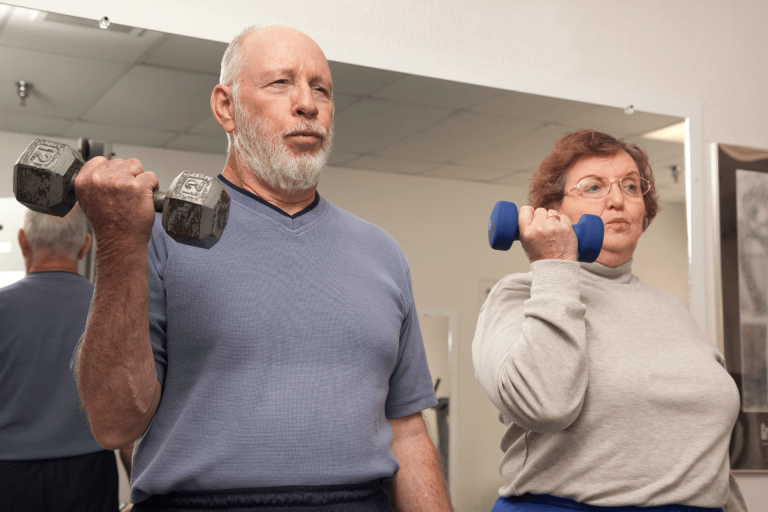
- Exercise regularly, including weight-bearing exercises, where your feet and legs support your weight (like walking, running or dancing) and resistance exercises (for example, using weights)
- Eat a healthy diet that includes plenty of fruit, vegetables and sources of calcium, such as milk, yoghurt and kale
- Get some sunlight on your skin as this triggers the production of vitamin D, which can help keep your bones healthy
- Take vitamin D supplementation
- Stop smoking and cut down on alcohol
In addition to this, hormone replacement therapy (HRT) has shown to help protect the musculoskeletal system, bone and joint health as well as and soft tissues.
Click here to find out more about HRT.
This medical advice was adapted from the NHS.