Introduction
Whether you twisted your knee on a trail run, got tackled awkwardly on the rugby pitch, or simply crouched down and felt a sharp “ping”, a meniscal tear can be surprisingly painful, and frustratingly slow to settle without the right plan.
At London Bridge Sports Medicine (LBSM), we see meniscal injuries every week in athletes, gym-goers and active adults. Some people arrive worried they’ll need surgery; others have no idea what a meniscus even is.
This page walks you through it all, in plain English, and explains how our multidisciplinary team guides you from diagnosis to full recovery.
What Exactly Is the Meniscus?

You’ve got two menisci in each knee: the medial (inside) and lateral (outside).
Think of them as tough, rubbery “shock absorbers” that:
- Cushion the joint
- Spread load evenly
- Provide stability
- Help the knee move smoothly through its range
When one of these curved pads tears, it can lead to pain, swelling, catching, clicking, or that uncomfortable sensation of the knee “giving way”.
Types of Meniscal Tears

Not all tears are the same, and treatment depends heavily on the type, location and severity of the injury.
1. Longitudinal Tear
A straight tear along the length of the meniscus.
This can sometimes progress into a bucket handle tear.
2. Bucket Handle Tear
A large flap of the meniscus flips into the centre of the joint, often causing the knee to “lock” or jam.
These usually happen in younger or more athletic patients.
3. Radial Tear
A tear that starts at the inner edge and travels outward.
These can affect the meniscus’s ability to absorb shock.
4. Horizontal Tear
A tear that splits the meniscus into upper and lower layers.
Common in slightly older patients due to degeneration.
5. Complex Tear
A combination of different tear patterns.
These can be more challenging to repair.
6. Degenerative Tear
Often seen in people over 40–50.
Comes from gradual wear and tear rather than one dramatic injury.
Who Gets Meniscal Tears?
Pretty much anyone, but they are especially common in:
- Football, rugby and hockey players
- Skiers and snowboarders
- Runners and gym-goers (especially pivoting or deep squatting movements)
- People with existing knee instability
- Anyone over 40, where the meniscus becomes more vulnerable to minor twists
Symptoms to Look Out For
- Sharp or catching pain in the knee
- Swelling (often appearing hours after the injury)
- Clicking, catching or locking in the knee
- Pain with twisting or squatting
- Feeling of the knee giving way
- Reduced movement (especially if the tear is mechanical)
Diagnosing a Meniscal Tear at LBSM
We start with a thorough history and physical examination, checking movement, stability and the specific tests that help identify meniscal involvement.
Diagnostic Ultrasound
While MRI is the gold standard for confirming a tear, our sports medicine physicians often use diagnostic ultrasound to identify inflammation, cysts, or associated soft tissue issues. This can be done during your first appointment, within the clinic.
Organising MRI Scanning
If needed, we can arrange fast access to MRI at trusted imaging centres and review the results with you, explaining them in clear terms.
Treatment Options at LBSM
Every meniscal tear is different, so treatment is always personalised.
The good news: many tears can be treated without surgery.
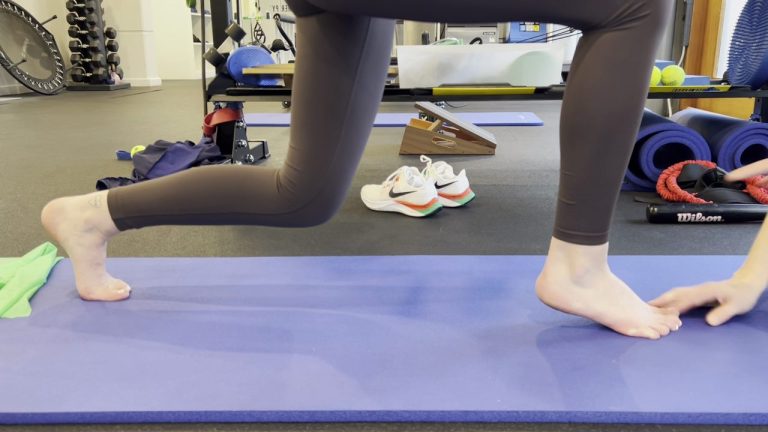
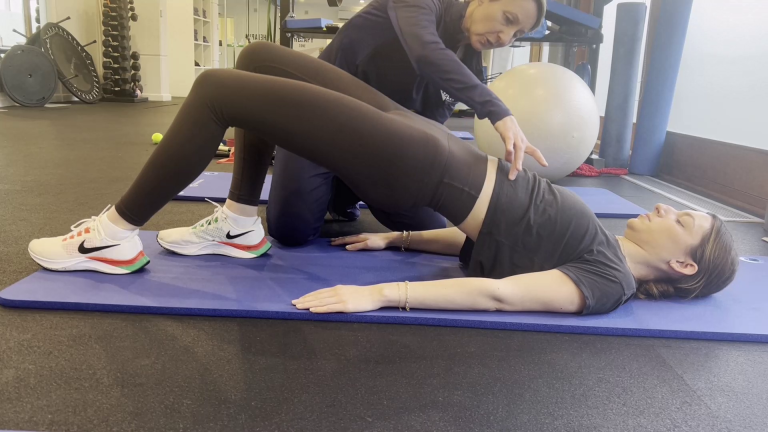
1. Specialist Physiotherapy & Rehabilitation
Usually the foundation of recovery.
Our physiotherapy team focuses on:
- Reducing pain and swelling
- Restoring range of motion
- Improving quadriceps and hamstring strength
- Addressing hip and core stability
- Correcting mechanical imbalances
- Return-to-running and return-to-sport planning
For degenerative or stable tears, rehab is often extremely successful and avoids the need for surgery entirely.
2. Sports Medicine Options
Our doctors offer a range of non-surgical treatments that help reduce pain and optimise healing.
- Corticosteroid injections – to help calm inflammation and pain
- Hyaluronic acid – can improve joint lubrication
- PRP (Platelet-Rich Plasma) – uses your own growth factors to support healing and reduce persistent symptoms
All our injections are done using Ultrasound-guided techniques – This ensures targeted treatment and improves comfort
These options are used alongside physiotherapy, to aid rehab and allow you to get the most out of your treatment. They are not used as stand-alone treatments.
3. Podiatry for Knee Mechanics
Your knee doesn’t work in isolation, it sits between your foot and your hip, therefore it is often important to address any contributing factors in the foot, and throughout the lower limb.
Our podiatrist can help you by addressing:
- Foot posture & alignment
- Pelvic alignment
- Gait patterns – both running and walking
- Load distribution during running and sport
- Footwear and orthotic options
Changing how force is transmitted through the leg can significantly reduce stress on the meniscus and surrounding structures.
4. Sports Nutrition for Knee Health
Our sports nutritionist, will help support your recovery through:
- Adequate protein intake for injury recovery and tissue repair
- Anti-inflammatory nutrition
- Supplement advice for joint health
- Supporting healthy body weight and composition during rehab
Nutrition can play an important role in ensuring the body is getting all it needs for tissue repair and it can make rehab far more effective.
When Is Surgery Recommended?
Surgery is not always the first step, but there are circumstances where it offers the best outcome, including:
- Mechanical locking of the knee
- Large bucket handle tears, that would benefit from being repaired
- Younger athletes with repairable tears
- Failure to improve with a structured rehab plan
- Tears in the “red zone” (the vascular outer edge) that have good healing potential
- If there are other structures that have also been damaged, such as your knee ligaments (ACL, PCL, MCL or LCL)

Meniscal Repair – Always Preferred When Possible
A key principle in modern sports medicine:
Preserve tissue wherever possible.
Meniscal repair is favoured over trimming or removing tissue because it:
- Maintains long-term knee health
- Reduces risk of arthritis
- Supports better shock absorption
- Offers better outcomes for active patients
Not all tears can be repaired, but surgeons always assess viability carefully.
Working With London’s Top Knee Surgeons
At LBSM, we collaborate with some of the best orthopaedic knee surgeons in London.
You’ll receive fast access to expert opinion, minimally invasive techniques and coordinated care between surgeon and physiotherapist.
Post-Operative Rehabilitation at LBSM
Rehab after meniscal repair a structured rehabilitation programme is vitally important, and can mean the difference between making a full recovery, and ending up with ongoing issues.
Here is an outline of what your rehab will look like:
0 – 6 Weeks
- Crutches or limited weight-bearing
- Brace (depending on repair type)
- Gentle, guided range-of-motion exercises
- Swelling and pain management
6 – 12 Weeks
- Gradual increase in weight-bearing
- Strengthening for quadriceps, hamstrings and glutes
- Control and balance training
3 – 6 Months
- Higher-level strengthening
- Light jogging progression
- Return-to-functional movement patterns
6 – 9 Months
- Return to full sport (depending on sport and level)
Our physios tailor every stage, keeping communication open with your surgeon and sports doctor.
Frequently Asked Questions
Do all meniscal tears need surgery?
No, many respond very well to physiotherapy and non-surgical care.
How long does a meniscal tear take to heal?
Stable or degenerative tears often improve within 6 -12 weeks. Post-op recovery can take 3 – 9 months depending on the repair.
What is the difference between a tear that needs surgery and one that doesn’t?
Tears that cause locking, instability or are large/repairable are more likely to need surgery.
Is running possible with a meniscal tear?
In some cases, yes, once pain has settled and strength has returned. Our physios will guide you on this.
Does PRP fix the tear?
It doesn’t stitch the meniscus together but can reduce pain and support healing of associated tissue irritation.
Will the meniscus heal on its own?
It depends on the tear type and location. Tears in the outer “red” zone have better healing potential.
Can I prevent future meniscal problems?
Yes, by strength training, ensuring you have good technique and appropriate footwear/equipment all make a big difference.
Ready to Start Your Recovery?
Whether you’re dealing with a recent twist, ongoing knee pain or a confirmed tear, our LBSM team can help you get moving again. With expert diagnostics, tailored rehabilitation, sports medicine treatments and trusted surgical partners, you’ll have everything you need under one roof.mi