Joint hypermobility describes joints that move beyond the normal expected range.
For many people this flexibility is harmless, or even beneficial, particularly in activities such as dance, gymnastics, martial arts or yoga. However, for some individuals, hypermobility is associated with pain, recurrent injuries, muscle fatigue and reduced stability.
When hypermobility causes symptoms that impact daily life, it may be referred to as Hypermobility Spectrum Disorder (HSD) or, in some cases, Hypermobile Ehlers–Danlos Syndrome (hEDS).
At London Bridge Sports Medicine (LBSM), we provide a comprehensive, multidisciplinary approach to assessment and management, focusing on improving stability, strength, confidence and long-term symptom control.
What Is Hypermobility?
Ligaments and connective tissues support joints and prevent excessive movement. In hypermobility, these tissues are more elastic than typical. This is often due to differences in collagen structure, the protein responsible for tissue strength.
In individuals with symptomatic hypermobility will often present with:
- Joints that move further than normal
- Soft tissues that provide less passive stability
- Muscles that need work harder to compensate for the reduced stability
- Reduced nervous system control and proprioception (joint position sense).
This can lead to joint overload, early fatigue and a higher risk of strains, sprains and subluxations (partial joint dislocations).
Why Do Some People Have Hypermobility?
Hypermobility is often genetically determined and tends to run in families. It is more common in:
- Females
- Younger individuals (collagen stiffens with age)
- Certain ethnic backgrounds (e.g., Middle Eastern, Asian heritage)
- Those engaged in flexibility-based sports
In many cases hypermobility is simply a normal variation. However, when symptoms occur, a formal diagnosis can help guide treatment.
Common Symptoms of Hypermobility
Symptoms vary depending on severity, lifestyle and activity levels.
They may include:
- Joint pain, especially after activity
- Muscle fatigue or heaviness
- Frequent sprains, strains or soft-tissue injuries
- Clicking, popping or unstable joints
- Poor balance or coordination
- Back or pelvic pain
- Difficulty with endurance exercise
- Overly flexible or stretchy skin (in some cases)
Some individuals may also experience systemic symptoms, such as:
- Digestive upset
- Dizziness or faintness (sometimes associated with Postural tachycardia syndrome – POTS)
- Sleep disturbance
- Increased sensitivity to pain (central sensitisation)
Associated Conditions
Hypermobility can overlap with or contribute to:
- Tendinopathy
- Recurrent ankle sprains
- Shoulder instability
- Patellofemoral pain syndrome
- Plantar fascia symptoms
- Temporomandibular joint (TMJ) discomfort
- Autonomic regulation conditions such as POTS
Symptoms often fluctuate, and treatment may need to evolve over time.
Diagnosis and Assessment at LBSM
Diagnosis is based on clinical assessment rather than a single test. At LBSM, your assessment may include:
- Beighton scoring (a joint mobility screening)
- Posture and alignment analysis
- Functional movement testing
- Strength and control assessment
- Injury history review
- Gait or running analysis (if relevant to sport or symptoms)
Beighton scoring

One point is given for each of the following joints that show hypermobility on exam:
- Base of the right 5th (pinky) finger
- Base of the left 5th (pinky) finger
- Base of the right thumb
- Base of the left thumb
- Right elbow
- Left elbow
- Right knee
- Left knee
- Lower spine
A positive Beighton score is any score greater than or equal to 5/9 points in adults, 6/9 points in children (before puberty), and 4/9 points in adults over age 50.
Where appropriate, your clinician may consider whether your symptoms meet criteria for Hypermobility Spectrum Disorder (HSD) or hypermobile Ehlers–Danlos Syndrome (hEDS).
Scans (such as ultrasound or MRI) are not required for diagnosis, but may be used to assess associated injuries such as tendinopathy or joint instability.
Treatment Options
There is no curative treatment for hypermobility; however, symptoms can be significantly improved through targeted rehabilitation, conditioning and lifestyle strategies.
The goal is to build strength, stability and resilience.
Sports Medicine Guidance
As sports and exercise medicine specialists we will coordinate your care, support injury prevention and may assist in symptom management during flare-ups. We will also carefully monitor your readiness for gradual return to higher-load sports or performance goals.
Physiotherapy
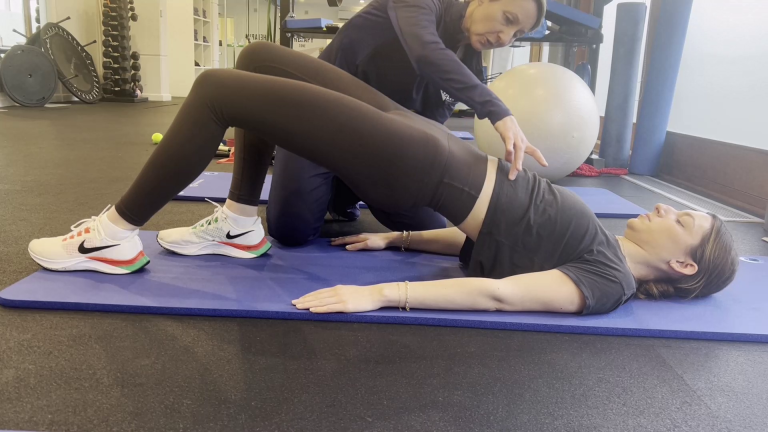
Physiotherapy plays a central role and focuses on:
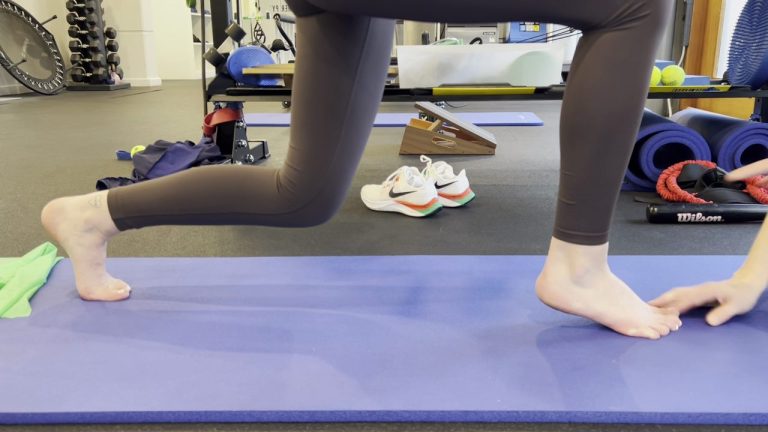
- Improving muscle strength, especially around the hips, shoulders, core and feet
- Enhancing joint stability and postural control
- Developing proprioception (joint awareness)
- Reducing reliance on passive structures
- Re-educating efficient movement patterns
- Pilates-based programmes and progressive resistance training are particularly effective.
Strength and Conditioning
Building robust strength is a key long-term strategy. Progression is typically gradual, beginning with low-load, controlled movements and advancing towards:
- Functional strength
- Single-leg stability
- Power and endurance (where appropriate to sport)
Resistance training should ideally be ongoing rather than short-term.
Podiatry and Biomechanics
Individuals with hypermobility may have altered foot mechanics such as over-pronation or reduced intrinsic foot strength. Podiatry may help with:
- Foot posture assessment
- Strengthening exercises for foot intrinsics
- Footwear or orthotic recommendations
- Running technique modification if relevant
Orthotics may sometimes be used short-term for stability while strength develops.
At LBSM we work with highly experienced physiotherapists, strength and conditioning coaching and podiatrists.
We ensure there is a multidisciplinary approach to your treatment, and will liaise closely with your rehab team to make sure you are well supported and receive the highest level of care.
Exercise Tolerance, Autonomic Symptoms and Fatigue
For those experiencing fatigue, dizziness or symptoms linked to autonomic regulation, gradual exercise tolerance building, sometimes referred to as graded exposure, is helpful. This may include:
- Low-impact cardiovascular conditioning
- Interval pacing strategies
- Breathwork training
- Avoidance of sudden spikes in activity
Injections
Injections are not routinely used for hypermobility itself. However, they may sometimes support management of associated conditions such as bursitis, tendinopathy or joint inflammation if symptoms are limiting rehabilitation.
These are always considered carefully and typically used alongside, not instead of, rehabilitation.
Prognosis
Most people with symptomatic hypermobility improve significantly with the right plan. Progress may feel slower than with other injuries, as tissues respond best to gradual and sustained strengthening, but outcomes are excellent when rehabilitation is consistent.
Hypermobility is a long-term characteristic, not a condition to “fix”, but with the right strategies, individuals can manage symptoms effectively, reduce injury risk and participate fully in exercise and sport.