Overview
Greater Trochanteric Pain Syndrome (GTPS) is a common cause of pain on the outside of the hip. It affects the soft tissues around a bony prominence of the upper thigh bone called the greater trochanter.
Despite its name, GTPS is not one single condition – it’s an umbrella term that includes irritation or inflammation of the tendons, bursae (fluid-filled sacs), and muscles around the hip.
GTPS can affect people of all ages but is particularly common in women over 40, runners, and those with lower back or knee issues that alter the way they move.
It often develops gradually, but can be stubborn and frustrating if not managed properly. The good news is that with the right care, GTPS is highly treatable with conservative methods, and almost never requires surgery.
Anatomy

The greater trochanter is the outer part of the upper thigh bone (femur), just below the hip joint. It’s the site where several key muscles and tendons attach, including:
- The gluteus medius and gluteus minimus tendons – which stabilise the hip during walking and standing
- The iliotibial band (ITB) – a long band of tissue running from the pelvis to the knee
- Several small bursae – which help reduce friction between tendons and bone
In GTPS, pain usually arises from irritation of these tendons (known as gluteal tendinopathy) or inflammation of the surrounding bursae (trochanteric bursitis). In many cases, both are present.
Causes and Contributing Factors
GTPS often results from overuse, poor biomechanics, or changes in loading that the body isn’t prepared for. Contributing factors can include:
- A sudden increase in walking or running
- Prolonged standing, crossing your legs, or lying on one side
- Weakness in the gluteal muscles
- Poor pelvic or core control
- Tightness or overactivity of the iliotibial band
- Underlying conditions such as osteoarthritis, lumbar spine problems, or leg length differences
Women are more prone to GTPS due to differences in pelvic shape and tendon structure, and hormonal factors may also play a role.
Symptoms
The hallmark symptom of GTPS is pain on the outside of the hip, which may also spread down the outside of the thigh.
Other common symptoms include:
- Pain when lying on the affected side (often disturbing sleep)
- Pain during walking, particularly uphill or upstairs
- Discomfort when standing on one leg or after sitting for long periods
- Tenderness when pressing over the side of the hip
- Pain with exercise or certain yoga or Pilates movements
GTPS is often misdiagnosed as “hip arthritis”, but it involves the soft tissues rather than the joint itself.
Diagnosis and Assessment
At LBSM, we start with a thorough assessment to confirm the diagnosis and rule out other possible causes of hip pain. This includes:
- A full clinical history – including activity levels, previous injuries, and daily habits
- Physical examination – to assess hip strength, movement, and areas of tenderness
- Gait analysis – to look at walking and running patterns that may contribute to the problem
- Functional movement tests
We may also use diagnostic ultrasound – performed in clinic by our sports medicine doctors as part of your assessment, to visualise the affected tendons and bursae in real time.
Occasionally, an MRI may be recommended for more detailed imaging.
Treatment Options
At London Bridge Sports Medicine, we specialise in non-surgical treatment of GTPS, using a personalised, multidisciplinary approach. Our goal is to reduce pain, improve function, and help prevent recurrence.
Physiotherapy
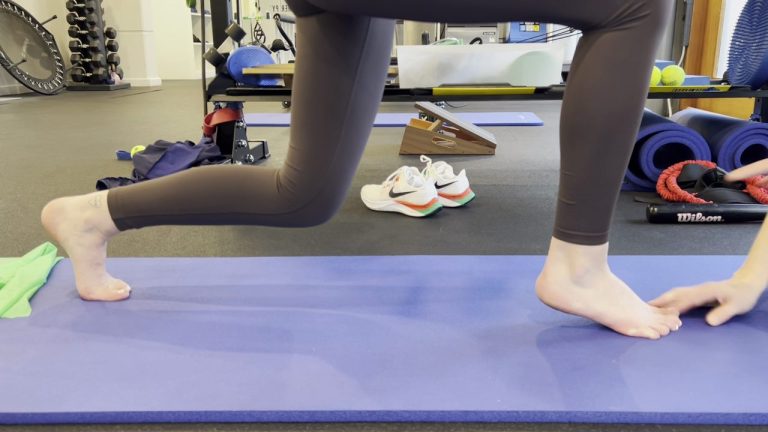
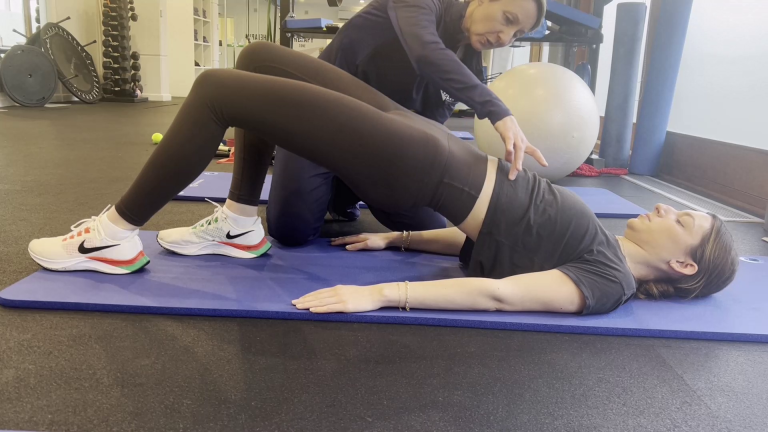
Rehabilitation through physiotherapy is the cornerstone of GTPS treatment. Your physiotherapists will develop a programme tailored to your needs, which may include:
- Targeted strengthening exercises – especially for the gluteus medius and minimus muscles
- Load management – to avoid aggravating movements while gradually building strength and endurance
- Manual, and soft tissue therapy – to release tension in the surrounding tissues
- Movement retraining – to improve posture, gait, and pelvic control
- Education – on positions to avoid (e.g. crossing legs or lying on the affected side)
Consistency with exercises is key to recovery, which usually takes 6 -12 weeks depending on the severity.
At LBSM we work very closely with trusted physios to ensure you make the best recovery.
Sports Podiatry and Biomechanics
Sometimes, problems further down the body, such as flat feet, uneven leg length, or altered gait, contribute to GTPS.
Our podiatrist, may assess you for:
- Gait abnormalities – when walking or running
- Footwear issues
- Custom orthotics to improve alignment and reduce load on the hip
Correcting these issues can help offload the hip and support long-term recovery.
Chronic tendon irritation is influenced by more than just movement – it also relates to tissue health and inflammation.
Our sports nutritionist can help by:
- Supporting tendon recovery through tailored nutrition
- Managing weight if appropriate (excess load can increase hip strain)
- Addressing any hormonal or energy balance issues, especially in active women
Tendons respond better when the body is well-fuelled, especially with adequate protein and anti-inflammatory nutrients.
Sports Medicine Management and Injections
If pain persists despite rehabilitation, our sports medicine doctors may discuss the following options:
- Ultrasound-guided corticosteroid injection – used to reduce inflammation in the bursa in selected cases. This may be considered when night pain or sleep disruption is significant.
- Shockwave therapy – a non-invasive treatment that stimulates blood flow and promotes tendon healing
- Platelet-rich plasma (PRP) injections – occasionally used for chronic gluteal tendinopathy, though evidence is still evolving
Any interventions are carefully timed and used alongside ongoing rehab, not as stand-alone treatments.
Outlook
With the right treatment and guidance, most people with GTPS make a full recovery. However, because it often develops gradually, recovery also tends to be gradual. The earlier the condition is diagnosed and managed, the better the outcome.
At LBSM, we are committed to identifying the root cause of your symptoms, guiding you through a structured and safe rehabilitation process, and helping you get back to the activities you love.
If you’re struggling with persistent pain on the outside of your hip, especially if it affects your sleep or daily mobility, don’t ignore it!
Our expert team at London Bridge Sports Medicine is here to help.
You cab book an appointment by following this link. Or call us if you would like more information on your treatment options or LBSM services.