Bone Injury

  1. What are bones made of?
  2. What keeps bones healthy?
  3. What is bone injury?
  4. How do we heal from bone injury?
  5. How do we prevent bone injury?

1. What are bones made of?

Bone are made of connective tissue reinforced with calcium and specialised bone cells. Just like muscle, bone is a living tissue with its own blood and nerve supply.

Bone has different layers to it, as described below:

Periosteum
This is the hard outer layer, akin to the shell of an egg

Compact bone
This is the layer underneath the periosteum, that gives bone its strength and stiffness

Spongy (cancellous) bone
This layer gives bone its flexibility and shock absorbing capacity

Marrow
This innermost layer is responsible for producing blood cells and is soft

bones

2. What keeps bones healthy?

Bones like to be exercised and have force going through them in order to keep them strong. If they are subjected to appropriate forces and loading, coupled with ample time for recovery after exercise, bone becomes denser and tougher. Bone also needs collagen, calcium and hormones like vitamin D to remain strong.

3. What is bone injury?

Sometimes it is obvious how bone has become injured (e.g., from a fall or trauma), but most of the time, there are many different contributing factors at play. Generally speaking, bones can be injured in one of 3 ways:

Acute fracture

This occurs when a bone is subjected to a sudden or powerful force that is greater than its elasticity. This can be a compressive, twisting or pulling force.

”In engineering terms, elasticity is the ability of a deformable body to resist a distorting effect and to return to its original size and shape when that influence or force is removed.”

This results in one or more of the bone layers deforming and breaking, causing a fracture. If this only occurs in the Periosteum (outer layer), it is called a hairline fracture. Fractures that go through all layers are more significant and often need immobilsation in a boot, cast or even surgery to stabilise the fracture.

Pathological fracture

This is when a bone’s elastic capability has been compromised due to poor bone quality.

The commonest reason for this is low bone density. However, there are many other reasons why bone quality may be adversely effected including metabolic and hormonal issues, medications and tumours. In pathological fractures, low energy forces with an innocuous mechanism can cause injury (e.g., trivial falls or knocks). Pathological fractures often need further investigation and management.

Stress injury and fracture

Stress injury or stress fracture is very common, particularly in people who do lots of high impact activity such as running or other sports.

If bone is continually exposed to repeated forces that are not high enough to cause an acute fracture, but without adequate time for healing and recovery, a stress reaction phenomenon may occur. The bone tries its best to heal rapidly and swells with fluid, a process called bone oedema or stress reaction.

The stress reaction process can be broken down into stages:

Stage 1 – The periosteum (or shell) of the bone becomes swollen and painful. The muscles that attach to the affected bone also become tender, tight and inflamed.
Stage 2 – The bone marrow inner layer becomes swollen.
Stage 3 – The compact and spongy bone layers between begin to swell.
Stage 4 – All the bone layers are now swollen with its integrity breached, and a fracture line develops. The stress reaction has now turned into a stress fracture.

bone fracture

4. How do we heal from bone injury?

Bone is incredibly good at healing itself after an injury. However, this process can take several weeks to months. Remodelling is the process where the old bone tissue is replaced by new healthy tissue.
In order for bone to Remodel, we need to provide our bodies with the optimum environment for healing. This includes:

Optimal loading

Under the appropriate loading conditions, bone injuries are stimulated to heal. Depending on the bone injury type, size and location, it is possible to determine the appropriate level of loading to aid fracture healing. This could range from complete oˇoading (non-weight bearing in a cast or crutches), partial loading (able to put some force through the injury) to full loading (able to put higher forces through the injury often with restrictions).

Diet

Maintaining a high calorie, balanced diet, rich in calcium along with Vitamin D is vital to give the body the energy and resources it needs to heal.

Sleep

Prioritising sleep quality and quantity is key as this is the time where our body does most its healing.

Avoid alcohol and smoking

Both alcohol and smoking significantly delay bone healing. It is best to avoid them completely these whilst you are recovering.

Medical treatments

Some medicines and treatments can aid bone healing in certain circumstances. Your doctor will guide you if this applies to you.

Surgery

Most stress injuries or stress fractures will not require surgery. In some cases, particularly with acute and pathological fractures, bones fragments can be surgically stabilised in order to help them to heal. It is important to remember that the surgical procedure does not itself heal bone, but just provides stability across the fracture site. It is vital to continue to optimise the other above points.

5. How do we prevent bone injury?

It is important to understand why bone has become injured in the first place in order to prevent it from occurring again.

Often, there are many factors that may have contributed to the injury, as summarised in the diagram below.

prevent bone injury

Overtraining (volume / frequency / type)

This is the most common risk factor for bone injury, particularly stress injuries. When changing your training volume, frequency or exposing your body to new types of training, it is important to allow your bone and soft tissues time to adapt to the change in stimulus. Be mindful of high-risk moments in your exercise plans, such as training for events or competitions. Incorporating rest and low impact days into your training week can be very useful.

Nutritional intake

It is important to ensure we have enough calories on board to allow bone to heal after exercise. If we train for prolonged periods of time in a calorie deficient state, we increase the risk of bone injury significantly. Making sure we have a healthy and balanced diet of macronutrients, as well as calcium and vitamin d is key.

Hormonal and metabolic factors

bone health and turnover is intrinsically linked with our hormonal systems. Hormone profiles differ with age and sex, making certain times of life more high risk for bone injury e. G. , adolescent years, post-menopausal, over 50 years old. Key hormonal and metabolic axes that play an important in bone health include:

  • Sex hormones (oestrogen, progesterone and testosterone)
  • Stress hormones (adrenaline, cortisol, aldosterone and angiotensin) Thyroid hormone
  • Parathyroid hormones
  • Iron

Medical factors

Certain medical issues can disrupt bone health and development making injury more likely. It is important to discuss these with your doctor to see if they are relevant.

Biomechanical factors

Our biomechanics can play an important role in how our skeletal system transmits force. It may be worth reviewing your biomechanics, particularly with running and sport, to reduce force transmission and optimise your technique. Optimising biomechanics may involve the following:

Running assessment

Sport specific assessments e.g., golf swing, tennis strokes Equipment e.g., racquet and club style, type Biomechanical adjuncts e.g., footwear, orthotics, braces

Sleep

As described above sleep is key for bone healing and recovery. If we are getting less than 6-7 hours a night, and our sleep is of poor quality, our risk for injury significantly increases. Particularly if we are also very active during the day.

Strength and mass capacity

Bones need strong muscles and soft tissues around them to provide support. By improving the strength of our muscles, we can deflect force transmission away from our bones, leaving them less vulnerable to injury. A good example of this is improving calf strength to prevent shin splints.

Social, performance and financial pressure

We are often unaware of external pressures which may cause us to overtrain or train sub optimally. By mitigating these pressures, we can often train with more balance and purpose. Common examples of this include:

Pressure from social media

  • Pressure from friends, family and colleagues (e.g., to play in team games, commitment to social exercise and activity)
  • Financial commitments (e.g., professional or semi-pro sportspeople earning through sport)

Poor mental health and wellbeing

Although often overlooked, our mental health is intrinsically related to recovery and healing. Stress, low mood and anxiety can cause internal inflammation within the body and significantly compromise bone health, leave us vulnerable to injury and delay healing. Getting help from a suitably qualified mental health or sports psychology professional is essential when looking after our heath or wellbeing.

bone injury download

Get in touch

Please contact LBSM if you require any further information.
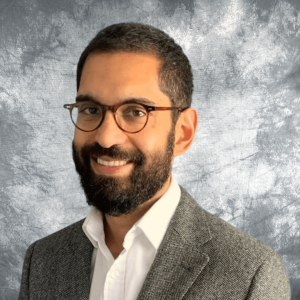
Picture of Author: Dr. Ajai Seth
Author: Dr. Ajai Seth

Dr. Ajai Seth is a Consultant in Sport, Exercise & Rehabilitation Medicine based in London. He has dedicated his career to helping people with sport and exercise related injury and illness; specialising in musculoskeletal injuries, running mechanics, racket sport injuries, football and rugby injury, chronic fatigue syndrome, and groin pain.
He works with everyone from the elite athlete to weekend recreational sportspeople and is skilled in musculoskeletal ultrasound diagnostics and therapeutic joint injections, including cortisone injections and PRP.

Recent posts
Subscribe to the free sports medicine newsletter

The medical world can sometimes be daunting. Our experts discuss the latest medical updates in the sport, health and fitness world, and break it down for you into and an easy to understand, digestible summary. And of course, it’s free.

If you have a particular health care question in mind, please get in touch to let us know and we will do our best to guide you.

The LBSM newsletter, written by our doctors, for our patients.

LBSM Performance Services Referral Form

LBSM Performance Services Referral Form

Patient Information

Body Area
Injury Type
Time Since Problem Started

Requirements

Services Required
Knee & Hip Cluster Test Required
See below for video demonstrations
Scroll →
Ankle Protocol Test Required
See below for video demonstrations
Scroll →
Upper Limb Protocol Test Required
See below for video demonstrations
Scroll →
Running Protocol Test Required
See below for video demonstrations
Scroll →

Referrer Information

Dr. Richard Antbring
MBBS, MSc, MRCP, FFSEM
Consultant Partner, LBSM
Consultant in Sport and Exercise Medicine

About

Dr. Richard Antbring is a dedicated Sport and Exercise Medicine consultant with extensive experience in diagnosing and treating a wide range of both acute and chronic musculoskeletal conditions and injuries. 

Within his private practice he provides comprehensive care for individuals, young and old, from all walks of life, across all levels of physical activity, from elite and recreational athletes to those who lead a slower pace of life; helping them recover from injuries sustained from sports, daily activity, and work-related incidents.

He has a vast experience addressing a full spectrum of conditions such as ligament sprains, muscle strains, dislocations, and more complex, long-term overuse issues like tendonitis and stress fractures. 

His work also extends to treating people with medical problems related to physical activity e.g. concussion, overtraining syndrome, and nutritional deficiencies.

Having worked extensively within professional football, Dr. Antbring has a special interest in lower limb injuries, especially groin pain, and ankle and knee injuries.

Clinical Expertise and Holistic Care

Dr. Antbring is committed to providing individual and personalised care that is specific to the needs of each of his patients. 

He is a highly skilled diagnostician, combining advanced clinical reasoning with evidence-based assessment tools, to ensure an accurate diagnosis. He often utilises ultrasound scans during consultations for real-time diagnostic imaging, allowing him to provide immediate and detailed insight into his patients’ conditions. 

When required, Dr. Antbring is able to access and arranges advanced imaging such as X-rays, MRI or CT scans to further investigate or confirm a diagnosis.

He is an excellent communicator, with a strong belief in empowering patients through education and collaboration. Dr. Antbring takes time to ensure his patients understand their diagnosis and treatment options and are fully committed and engaged in their treatment.

His focus on structured and individualised rehabilitation plans, together with using advanced non-surgical techniques, such as ultrasound-guided injections and shockwave therapy helps patients recover efficiently and return to their daily and physical activities as soon as possible. 

Dr. Antbring strongly believes that the key to recovery is by treating the person as a whole, rather than just focusing on the specific area of injury. He works closely with other healthcare professionals such as physiotherapists, strength and conditioning coaches, Pilates specialists, podiatrists and dieticians, to ensure your path to recovery is smooth, and focuses on longer term prevention as well as immediate treatment. 

Experience in Elite Sports

Dr. Antbring has gained extensive experience working in elite sports environments. His background includes providing medical care for Fulham FC Academy team where he focused on the unique challenges of managing the health and development of young athletes; treating conditions such as back pain, Apophysitis (overuse injury of the hip) and growth plate injuries like Osgood-Schlatter disease; ensuring that they received the highest standard of medical care during their progression toward professional football careers.

He currently works at West Ham United FC and Leyton Orient, where he supports the performance of the 1st team players, managing conditions such as ACL injuries, Achilles tears and tendinopathy, groin and hamstring injuries.

In addition to his work in football, Dr. Antbring has also worked as a doctor for the Lawn Tennis Association (LTA), offering his expertise in musculoskeletal care to wheelchair tennis players. 

His involvement in sports like football and tennis has helped him develop a keen understanding of the specific needs of athletes, enabling him to deliver expert care tailored to the demands of their respective sports and helping them safely return to peak performance following injuries.

Special Interests in High-Intensity Sports

Dr. Antbring has had a strong interest in sport and exercise since childhood, and in later years has developed a personal passion for high-intensity sports and fitness activities, including HYROX, HIIT, CrossFit, and weightlifting. 

His personal enthusiasm for these challenging disciplines has had a significant influence on his practice and makes him uniquely positioned to understand the physical demands placed on these athletes and allows him to provide specialised care for fitness enthusiasts engaged in similar pursuits. 

Training and Qualifications

Dr. Antbring graduated from the prestigious Queen Mary’s University of London in 2015.

During this time, he developed a strong foundation in musculoskeletal medicine and sports injuries, equipping him with the knowledge and skills to treat a broad spectrum of conditions.

In addition to his medical degree, Dr. Antbring has completed a Master’s in Sport and Exercise Medicine, which he achieved with distinction. He also holds a Postgraduate Certificate in Musculoskeletal Ultrasound imaging, further enhancing his diagnostic capabilities and enabling him to perform ultrasound-guided injections and other procedures with precision.

Life Outside Medicine

Outside his clinical work, Dr. Antbring is passionate about maintaining his own fitness through high-intensity workouts like HYROX and HIIT sessions. A typical day for Dr. Antbring starts with his own fitness routine, whether it’s a gym session or an early morning run.

He is devoted Arsenal supporter and Formula 1 enthusiast, and proudly backs McLaren on race days. When he’s not cheering on his sports teams, Dr. Antbring loves to travel, ski, and spend quality time with his family, embracing life to the fullest both in and out of the clinic.

Areas of Interest

Dr. Antbring’s key areas of interest include:

  • Acute and Chronic musculoskeletal injuries
  • Overuse injuries
  • Groin pain
  • Hip, knee, and foot injuries
  • Diagnostic ultrasound
  • Shockwave therapy and 
  • Ultrasound-guided injections
  • Paediatric sports injuries and rehabilitation
  • Tendon, muscle, and joint pain
  • Sports trauma and injury prevention

Consultations and Referrals

Dr. Antbring offers private consultations at the London Independent Hospital. He provides both in-person and virtual appointments.

His calm and patient-centred approach has given him an excellent reputation within the musculoskeletal medical world, and he is highly trusted and respected by his patients and peers. 

He welcomes referrals from other healthcare professionals, as well as direct, self-referrals. He is covered by all the main insurance companies and also accepts self-pay patients.

Dr. Lewis Raiman
MBBS, MRCGP, FFSEM
Consultant in Sport and Exercise Medicine

Consultant Partner, LBSM

About

Dr. Lewis Raiman is a highly experienced Sport and Exercise Medicine consultant specialising in the diagnosis, treatment, and prevention of sports-related and musculoskeletal injuries. 

He works privately at Highgate Hospital – Nuffield Health, where he runs regular weekly clinics.

While he frequently works with athletes recovering from acute injuries such as sprains, fractures, and ligament tears, Dr. Raiman also focuses on managing chronic conditions like tendinopathies, bone stress injuries and other overuse injuries. 

With extensive experience working with elite sports organisations, including West Ham United FC as the Academy Doctor, and The FA as a Performance Doctor, Dr. Raiman is highly regarded for his expertise in treating professional athletes and high performance, active individuals. 

He has also served as a Wheelchair Tennis Doctor for the Lawn Tennis Association (LTA) and worked as a Track Cycling Field Doctor at the Commonwealth Games.

These roles, especially within football and tennis, have shaped his areas of clinical interest, and he is particularly skilled in treating conditions and injuries of the knee, ankle, shoulder and wrist, including ACL injuries, Achilles tendinopathy, calf tears, shoulder impingement, rotator cuff tears, tennis and golfer’s elbow.

His expertise extends far beyond the world of sports, as he provides care to individuals of all ages and activity levels, from young athletes to older adults. In his clinics he often sees individuals who have sustained work related injuries, or injuries from everyday activities.

For patients facing joint issues like osteoarthritis, Dr. Raiman employs non-surgical treatments such as targeted therapies, joint injections, exercise plans, and lifestyle modifications, to relieve pain and improve mobility, often helping delay or even prevent the need for joint replacement surgery. 

Dr. Raiman is also based at Imperial College NHS Trust. He is deeply passionate about bringing the knowledge and expertise he has gained from working with elite athletes and professional sports organisations to the wider population, both within his NHS and Private practice. He believes that everyone deserves access to advanced sports medicine treatment techniques and is committed to delivering the same high level of care used in professional sports to the broader community regardless of their athletic background. 

Expertise and Approach

Dr. Raiman is dedicated to providing a comprehensive and holistic package of care to his patients. He is compassionate and caring, and works hard to build up a strong rapport with his patients, empowering them through education and collaborative decision-making. 

He provides extensive and thorough assessments of sports injuries and musculoskeletal conditions, utilising imaging tools such as ultrasound scans for real-time diagnosis. 

Within the private hospital at Highgate, he has access to state-of-the-art diagnostic equipment; when necessary, he arranges additional imaging, such as MRI or CT scans, then thoroughly reviews the results with his patients to ensure they understand their condition. 

His main aim is to provide his patients with an accurate diagnosis, and timely, tailored treatment and rehabilitation plans that focus on restoring movement and function, to ensure optimal recovery and to prevent future injury.

Collaborative Care

Dr. Raiman works closely with a multidisciplinary team of specialists and has good links with local physiotherapists, strength and conditioning coaches, podiatrists, dieticians, and soft tissue therapists. 

He understands that a team approach is essential for providing the best care and outcomes for his patients. He has an exceptional reputation among both his patients and peers which is a testament to his commitment and compassionate patient care.

When surgical intervention is required, he refers patients to his trusted network of top surgeons specialising in sports injuries, ensuring continuity of care and the best possible outcomes.

Training and Experience

Dr. Raiman completed his Higher Specialist Training in London and is registered with the General Medical Council (GMC) as a Consultant in Sport and Exercise Medicine. His career in elite sports medicine includes roles with leading organisations, where he applies cutting-edge diagnostic and treatment principles to both professional and amateur athletes. 

Areas of Interest

Dr. Raiman’s key areas of interest include:

  • Musculoskeletal and sports injuries
  • Overuse injuries (tendinopathy, stress fractures, bone stress injuries, shin splints)
  • Achilles tendon and ACL injuries 
  • Shoulder, hip, knee, and foot injuries
  • Back pain
  • Football and Tennis injuries
  • Shockwave therapy and ultrasound-guided joint injections (cortico-steroid and Hyaluronic acid)
  • Paediatric (children and adolescents) sports injuries and rehabilitation
  • Injury prevention

Research and Innovation

Dr. Ramia is committed to providing the best, evidence-based care to his patients. With the ever-evolving world of medicine he understands how important it is to keep up with regular training and new research. 

His own research has significantly influenced his clinical practice, particularly in the areas of injury prevention and rehabilitation. His extensive studies on musculoskeletal injuries, biomechanics, and the role of exercise in long-term recovery have shaped his patient-centred approach, enabling him to provide evidence-based treatments tailored to each individual’s needs. 

By staying at the forefront of research on conditions like osteoarthritis and tendon degeneration, Dr. Ramia incorporates the latest advancements in non-surgical interventions, including regenerative therapies and personalised rehabilitation programs. His research-driven insights not only enhance the recovery process but also focus on preventing future injuries, ensuring that his patients, whether athletes or individuals from the general population, can return to their daily activities with improved function and reduced pain. 

https://www.researchgate.net/scientific-contributions/Lewis-Raiman-2049220560

Personal Interests

Outside his clinical life, Dr. Raiman enjoys spending quality time with his young family. He is local to the North London area and enjoys the mix of cultures and makes the most of city life.

He has extended family who live far afield in Australia and New Zealand and with a strong interest in travel he uses this as an opportunity to meet in exotic locations and explore new countries and cultures. It also makes for some healthy family banter when there is international sporting event on!

Referrals and Consultations

Dr. Raiman is committed to helping all patients—from elite athletes and fitness enthusiasts to older patients and those who lead less active lives —achieve their physical best. He offers private consultations at Highgate Hospital – Nuffield Health, on Tuesdays and Wednesday mornings, and welcomes patients seeking expert care for musculoskeletal and sports injuries. 

He is happy to receive referrals from consultants, GPs and other healthcare professionals as well as self-referrals. He also welcomes second opinions and complex cases that need specific expert assessment and intervention.

Dr. Raiman is covered by all major insurance companies, and he also sees self-pay patients. 

ISOBAR Referral

ISOBAR Referral Form
  • Patient Details
  • Clinician Details
  • Garments
    • Payment
    Patient Address
    Patient Address
    City
    County
    Postal Code
    Country
    Orla Mulligan
    Administration and Social Media Manager
    Administration, LBSM

    Orla Mulligan is the administration and social media manager for LBSM. She has a strong background in sport having herself played netball at an elite standard for the U21s Northern Ireland team in the European Championships as well as the U21s competition for Saracen Mavericks.

    She understands youth sport pathways having herself played and training in the netball Kent regional pathway. She has a keen interest in most sports and a good understanding of how injury and illness can impact on the mind and body, as well as rehabilitation pathways.

    She looks forward to speaking and assisting LBSM patients and gives her best support to them during their treatment pathway.

    A day in the life of Orla involves communicating with patients via phone and email, managing and organising clinics, operations and media management.

    Outside of work, Orla is a gym enthusiast, enjoys tennis and still finds the time for an occasional game of netball.

    Maddie Tait
    BSc, MSc
    Associate, LBSM
    Musculoskeletal and Sports Podiatrist

    Maddie treats and manages complex foot and ankle injuries in London and Surrey.

    She is particularly interested in helping her patients improve their quality of life and achieve their personal goals, working closely with Foot and Ankle Consultants, Sports Medicine Doctors and Physiotherapists.

    Maddie has a sporting background herself having previously represented England in Hockey. She understands the demands of elite sport and the importance of physical and mental health. In her spare time, Maddie continues to enjoy an active lifestyle by running, cycling and attending a Pilates class.

    Having graduated from University of Brighton with a MSc (hons) in Podiatry, Maddie focused her career in Podiatric Sports Injuries and Biomechanics. Previously she completed a BSc (hons) in Sport Science at Loughborough University.

    A day in the life of Maddie involves consulting patients in clinic, performing gait and biomechanical assessments, measuring and fitting orthotics and braces. She also regularly teaches and presents at sports medicine and podiatry conferences.

    Outside of work, Maddie still finds time to play hockey and enjoys running and skiing.

    Mr Prakash Saha
    MBBS, PhD, FRCS
    Consultant Partner, LBSM
    Consultant in Vascular Surgery

    Mr Prakash Saha is a Consultant Vascular Surgeon at LBSM. He takes pride in providing the best possible results for his patients by using the most appropriate non-surgical and surgical methods based on clinical evidence, patient results and satisfaction.

    He treats fit and active people suffering with a range of cardiovascular issues, from painful leg swelling associated with exercise to venous insufficiency, post-thrombotic syndrome and leg ulcers. He also treats people with arterial system problems including poor circulation, compression syndromes and aneurysms. He carries out both endovascular and open aortic repair and has some of the best outcomes in the country.

    Mr Saha studied medicine at the United Medical & Dental Schools at Guy’s and St. Thomas’ Hospitals before completing his higher surgical training in London and the South East. During this time, he was awarded the prestigious NIHR Clinical Lectureship in Vascular Surgery at St. Thomas’ Hospital, giving him comprehensive training in open and endovascular techniques for treating arterial and venous disease. Prakash completed his aortic surgery training at the St. George’s Vascular Institute before carrying out a specialist fellowship at the Royal Prince Alfred Hospital, Sydney.

    Mr Saha regularly lectures and runs workshops across the globe on the latest surgical techniques to treat vascular disease. He has also been awarded a number of research grants from the Royal College of Surgeons, the Circulation Foundation, the Wellcome Trust, the Academy of Medical Sciences, and the British Heart Foundation, which has led to over 80 publications and the development of innovative technologies to help treat patients. For this work, Prakash has received a number of prizes, including the Venous Forum prize from the Vascular Society of Great Britain and Ireland, an International Young Investigator Award, and an Early Career Investigator Award from the American Heart Association.

    A day in the life of Mr Saha involves seeing patients in clinic, operating in surgical theatre or lecturing at his university. He also regularly teaches and presents at vascular and sports medicine conferences.

    Mr Saha is an avid cyclist and tennis player (although yet to get a set of Dr Seth!). Outside of work, he spends time with his family who consists of 3 children and enjoys travelling.

    Dr Gajan Rajeswaran
    MBBS, FRCR
    Consultant Partner, LBSM
    Consultant in Sports and Musculoskeletal Radiology

    Dr Gajan Rajeswaran is a Consultant Musculoskeletal Radiologist at LBSM, with an extensive background of working in elite sport. He is one of the most recognised radiologists in the sports medicine field. He provides top level imaging and medical diagnostic services for patients and athletes.

    Dr Gajan Rajeswaran completed his undergraduate medical training at Imperial College London and his radiology training at Chelsea & Westminster Hospital. He has obtained two post-CCT fellowships in musculoskeletal imaging. He was appointed as a consultant at Chelsea & Westminster Hospital in 2011.

    He has a passion for all sports having worked as a radiologist at the Glasgow Commonwealth Games and London World Athletic Championships and continues to support The Championships, Wimbledon. He also continues to work with a number of Premier League and Championship Football Clubs, Premier League Rugby Clubs, England Sevens Rugby, British Athletics and the Lawn Tennis Association.

    A day in the life of Dr Rajeswaran involves giving his expert opinion on investigations such as MRI and CT scans, x-rays and ultrasound. He also performs injection lists under ultrasound, CT and X-ray including spinal injections. He also regularly teaches and presents at sports medicine conferences.

    Dr Gajan Rajeswaran is an avid football fan and life-long fan of Tottenham Hotspur (for which he offers no apologies!). Outside of work, he spends time with his family and has a keen passion for photography.

    Dr Ajai Seth
    MBBS, BSc, MSc, MRCS, MRCGP, FFSEM
    Medical Director, LBSM
    Consultant in Sport and Exercise Medicine

    Dr Ajai Seth is a Sport and Exercise Medicine Physician. He has dedicated his career to helping people with sport and exercise related injury and illness. He consults and treats everyone from the elite athlete to the weekend warrior.

    Dr Ajai Seth is part of the British Tennis Sports Physician team at the LTA and has also provided cover to elite athletes at Wimbledon Tennis, European Tour Golf, Premier League Football, British Athletics, and the Men’s England Football academies as part of the FA.

    He also prides himself for working in disability sport and is currently the Chief Medical Officer for Team GB Wheelchair Tennis which has taken him to the Olympics and Paralympics.

    Dr Ajai Seth is dedicated to education, training and research and is a Senior Lecturer in Sports Medicine at King’s College London where he lectures in all aspects of Sports Medicine and Science.

    He also has a passion for travel and Expedition Medicine, which has seen him accompany medical, scientific and charity expeditions all around the world. He also has vast experience in treating musculoskeletal injuries from children and adolescents to veteran exercisers, both male and female.

    Dr Seth also has positions in leading Sport Medicine organisations, including the non-executive board for the UK’s largest Sports Medicine charity, BASEM and Past President for the Royal Society of Medicine. 

    A day in the working life of Dr Seth involves consulting his patients in clinic, performing diagnostics and ultrasound guided injections. He also regularly lectures and tutors students and presents at sports medicine conferences internationally. He also spends part of the working week at the National Tennis Centre, LTA, supporting British Tennis players.

    Outside of work, Dr Seth enjoys playing club tennis, triathlon, golf, running and skiing (but will give any sport a go!). He enjoys keeping fit and active and good quality family time with his wife and three children.